

dapper-drill.com
Style

Finding Your Signature Scent Without Overwhelm

by cms@editor April 24, 2026
written by cms@editor

Choosing a personal fragrance is an intimate, sensory process that can feel daunting when faced with countless bottles in a perfumery. A scent becomes a part of one’s identity, a memory trigger for both the wearer and those around them. The journey to finding a signature scent is best approached slowly, with the understanding that fragrance develops over time on the skin and that what smells enchanting on a paper blotter may smell entirely different on the wrist. In Britain, where a culture of understatement often favours subtlety, a well-chosen perfume need not announce itself loudly to leave a lasting impression.

Understanding the basic structure of a fragrance can help demystify the selection. Most perfumes are composed of top notes, which are the first, fleeting impression, usually bright and citrusy; heart notes, which emerge after a few minutes and form the main character of the scent, often floral or spicy; and base notes, which linger for hours, providing depth through woods, musks, resins or vanilla. When testing, it is essential to wait at least twenty minutes for the heart notes to develop before making a judgement. Rubbing the wrists together after application is a common habit that actually crushes the molecules and distorts the evolution of the scent.

Rather than trying to test many fragrances in one visit, nose fatigue sets in quickly. A better method is to select two or three that initially appeal, spray one on each wrist (and perhaps one on the inner elbow) and then leave the shop. The fragrance should be lived with for the rest of the day, noticed in different moments, as body heat and natural skin chemistry reveal hidden facets. A scent that seems too sweet at first might settle into a warm, comforting cloud; a sharp, green opening might mellow into something unexpectedly elegant. Taking notes on a phone or in a small diary about the development of each test helps build a personal reference library.

Pages: 1 2

Style

Dressing Comfortably for British Summer Rain

by cms@editor April 24, 2026
written by cms@editor

Summer in Britain is a season of glorious unpredictability. A morning that begins with bright sunshine can, by midday, turn into a steady drizzle or even a sudden downpour. Dressing comfortably for such conditions does not mean resigning oneself to a shapeless plastic poncho; it means choosing garments and accessories that handle moisture intelligently while remaining breathable, lightweight and, ideally, stylish. The goal is to stay dry without overheating, and to look presentable whether caught in a shower on a high street or walking a windswept coastal path.

The most critical item is a reliable waterproof layer. Contemporary raincoats made from technical fabrics offer outstanding water resistance while allowing sweat vapour to escape, preventing the clammy interior typical of old-fashioned macs. For those who prefer natural materials, a tightly woven cotton gabardine or Ventile jacket, treated with a durable water repellent finish, provides a more classic aesthetic. Such jackets, originally developed for British explorers, can withstand substantial rain and remain comfortable in mild temperatures. The key is to choose a coat that is long enough to cover the thighs, with a hood that can be adjusted to stay put in a gust of wind without obscuring peripheral vision.

Underneath the waterproof layer, breathable natural fibres are the wise choice. Cotton and linen shirts or dresses allow air to circulate, preventing the stickiness that synthetics can cause against the skin. Merino wool, surprisingly, is a wonderful summer fibre; it wicks moisture away from the body and resists odour, making it ideal for a lightweight cardigan or a fine knit worn over a camisole. Layers are the cornerstone of British summer dressing: removing a jumper when the sun emerges, and pulling it back on when clouds gather, maintains comfort throughout the day without the need to carry a change of clothes.

Pages: 1 2

Style

The Enduring Appeal of a Well-Made Leather Bag

by cms@editor April 24, 2026
written by cms@editor

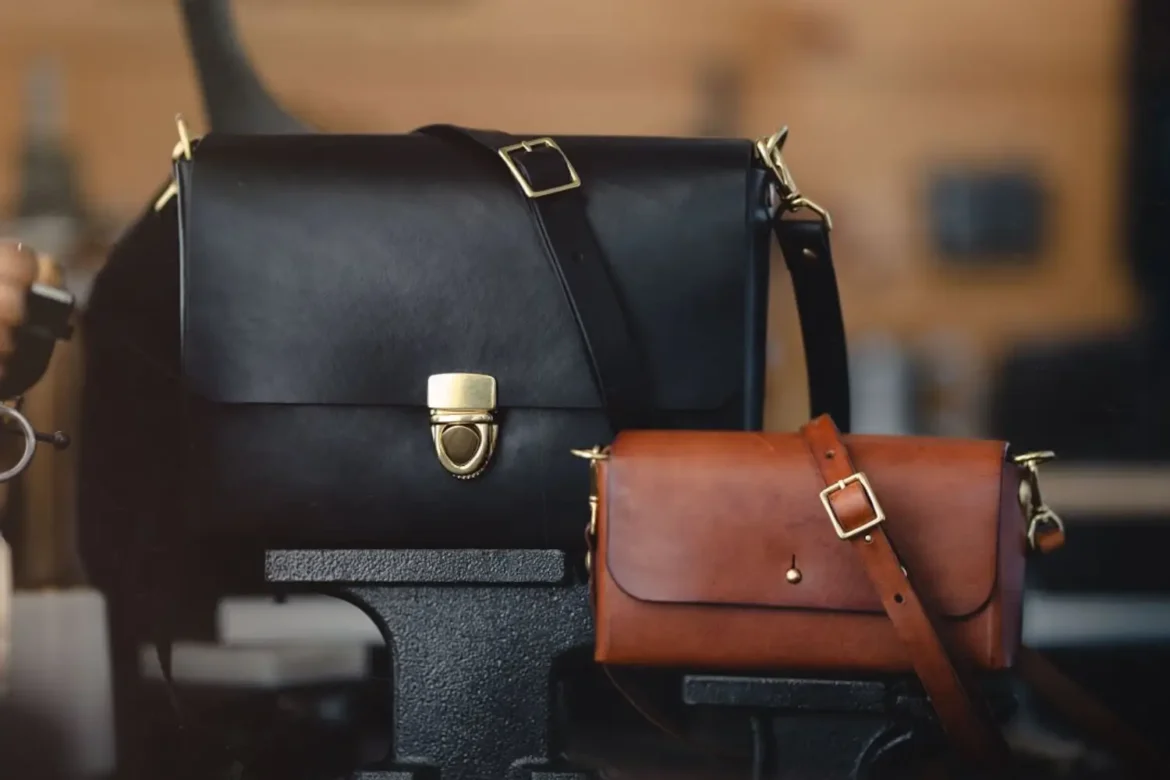
A well-made leather bag occupies a unique place in the wardrobe: it is simultaneously a practical daily tool and an expression of personal style. Unlike many fashion items that follow short-lived trends, a good leather bag can improve with age, developing a rich patina and a supple drape that synthetic materials can never replicate. In Britain, with its long tradition of leatherwork—from the saddlers of Walsall to the artisan workshops of London and the Cotswolds—a handmade leather bag is also a connection to a heritage of craftsmanship. Investing in one such piece is a decision that rewards the owner every day.

The quality of the leather itself is the starting point. Full-grain leather, which retains the natural surface of the hide complete with its marks and variations, is the most durable and characterful choice. Over time, exposure to sunlight, natural oils from the hand and everyday use will darken and polish the leather, creating a finish unique to the owner’s handling. This living quality means that a bag that may look slightly stiff and uniform when new will steadily become more beautiful. Top-grain leather, which has been lightly sanded to remove imperfections, offers a smoother, more consistent appearance and remains an excellent option for those who prefer a refined look.

Construction details are the silent markers of longevity. Instead of being glued, high-quality leather bags are stitched with strong waxed thread, often using a saddle stitch that will hold even if one stitch breaks. The edges of the leather should be burnished, a time-consuming process that smooths and seals the fibres, preventing moisture from seeping in. Metal hardware, such as buckles and clips, should be solid brass or stainless steel rather than cheap plated alloys that tarnish and corrode. These details are not immediately obvious to a casual glance, but they make the difference between a bag that lasts a year and one that lasts twenty.

Pages: 1 2

Style

Caring for Your Knitwear Season After Season

by cms@editor April 24, 2026
written by cms@editor

A good woollen jumper or cardigan, chosen with care, can be a loyal companion for many winters. The soft warmth of lambswool, the distinctive texture of Shetland wool or the cloud-like lightness of cashmere all reward proper attention. In the damp, chilly British climate, knitwear is not merely a fashion statement but a practical necessity. With the right approach to washing, storing and minor repairs, these garments can remain beautiful and functional for a decade or longer, rather than pilling and losing shape after a single season.

The first rule of knitwear care is to wash sparingly. Wool fibres are naturally odour-resistant and do not require cleaning after every wear. Often, simply airing a jumper on a flat surface overnight is enough to freshen it. When washing becomes necessary, a gentle hand-wash in cool water with a specialist wool detergent is the safest method. Hot water, aggressive detergents and vigorous agitation can cause the fibres to felt and shrink irreversibly. After soaking, the garment should be gently pressed against the side of the basin to remove excess water—never wrung or twisted—and then rolled in a clean towel before being laid flat on a drying rack, away from direct heat.

Pilling, the formation of small fibre balls on the surface of knitwear, is a natural result of friction rather than a sign of poor quality. A high-quality wool sweater may pill initially as loose fibres work their way to the surface, after which the pilling often reduces. A fine-toothed cashmere comb or a battery-operated fabric shaver can gently remove these pills, restoring the smooth finish of the garment. Using such tools slowly and carefully, without pressing too hard, prevents damage to the underlying knit. Regular de-pilling, combined with proper washing, keeps knitwear looking fresh and well-tended.

Pages: 1 2

Style

Building a Versatile Capsule Wardrobe

by cms@editor April 24, 2026
written by cms@editor

A capsule wardrobe is a thoughtfully edited collection of clothing and accessories that work harmoniously together, ensuring that almost everything can be mixed and matched. The concept encourages investing in fewer, higher-quality pieces that transcend seasonal trends, offering a simpler, more intentional approach to getting dressed each morning. In Britain, where the weather can shift from sunshine to drizzle in the space of an afternoon, a well-planned capsule wardrobe removes the daily stress of staring at an overstuffed rail and feeling one has nothing suitable to wear. It is not about sacrifice or uniformity; it is about clarity and personal style.

The foundation of any capsule wardrobe is a set of well-fitting, neutral basics. A crisp white cotton shirt, a soft merino wool jumper in charcoal or navy, a tailored pair of dark jeans or trousers and a classic trench coat or waxed jacket immediately provide a backbone of combinations. These core pieces do not shout for attention, but their quality is felt in the weight of the fabric and the precision of the seams. When selecting such items, it is worth looking for natural fibres—cotton, linen, wool and silk—that breathe, regulate temperature and age beautifully. A garment that fits well and is cared for properly will remain in regular rotation for many years, often becoming more comfortable with time.

Colour palette is the secret to creating effortless outfits. Choosing a limited range of hues that flatter the wearer’s complexion and work well together ensures that any top can be paired with any bottom without a jarring clash. A classic British approach might centre on shades of navy, camel, cream, forest green and soft grey, with perhaps one or two accent colours such as burgundy or a muted mustard. This does not mean the wardrobe becomes dull; texture and pattern can provide interest. A Donegal tweed jacket, a striped Breton top or a silk scarf with a subtle paisley motif bring personality without overwhelming the cohesion of the whole.

Pages: 1 2

Education

Developing Critical Thinking Through Board Games

by cms@editor April 24, 2026
written by cms@editor

Board games have long been a staple of British family life, from rainy afternoons in holiday cottages to cosy evenings around the kitchen table. Beyond their social appeal, many modern and classic games are excellent tools for developing critical thinking skills. Unlike passive forms of entertainment, board games require players to analyse situations, weigh probabilities, anticipate opponents’ moves and make decisions under pressure. These cognitive processes, practised in a playful context, transfer subtly to academic, professional and everyday problem-solving.

Strategy games, in particular, challenge players to think several steps ahead. In chess, the need to hold multiple possible sequences of moves in mind exercises working memory and forward planning. In a game like Ticket to Ride, players must balance short-term route completion against long-term objectives, constantly adapting their strategy as the board changes. Even simpler games, such as Carcassonne, where players place tiles to build cities, roads and fields, require spatial reasoning and the ability to maximise limited resources. The mental effort is enjoyable, wrapped in the narrative of competition and the tactile pleasure of moving pieces.

One of the most valuable aspects of board gaming for critical thinking is the immediate feedback loop it creates. A poor decision usually leads to a tangible consequence within minutes: a lost territory, a blocked path, a wasted turn. This direct cause-and-effect relationship helps players develop a more analytical approach to problem-solving. They learn to ask themselves not just “What do I want to happen?” but “What is the most likely outcome of this move, and what could go wrong?” This habit of weighing risk and reward, of considering both the best-case and worst-case scenarios, is a transferable skill that applies to budgeting, project management and countless other real-world contexts.

Pages: 1 2

Education

Understanding the Basics of Astronomy

by cms@editor April 24, 2026
written by cms@editor

Gazing up at a clear night sky is one of the most ancient of human experiences, yet the sheer scale of the cosmos can still take the breath away. Understanding the basics of astronomy transforms this act of wonder into an informed pursuit, allowing the observer to recognise constellations, track the movement of planets and appreciate the mechanics of eclipses. In Britain, where light pollution can obscure the stars in urban areas, seeking out a darker spot—perhaps a nearby hill, a coastal headland or a designated Dark Sky Reserve—can reveal a sky alive with points of light. The journey from casual sky-watching to amateur astronomy is a gentle one, requiring more patience than expensive kit.

A sensible first step is to learn to identify a handful of prominent constellations and bright stars. The Plough, part of the constellation Ursa Major, is a familiar pattern that points toward the North Star, Polaris, which remains almost stationary in the sky and serves as a reliable orientation tool. Orion, with its distinctive belt of three stars, dominates winter evenings, while the W-shape of Cassiopeia wheels opposite the Plough. Using a simple star chart or a mobile app that overlays the names of celestial objects on the phone’s screen can accelerate this learning. The satisfaction of finding a constellation without digital aid, however, adds to the pleasure.

The moon is the most rewarding object for the beginner. Even without optical aid, the naked eye can discern the dark patches of ancient lava plains, the so-called maria, and the line where light and shadow meet, known as the terminator. A modest pair of binoculars, which many households already own, reveals a world of craters, mountain ranges and subtle grey hues. Observing the moon over successive nights as it waxes and wanes provides a tangible connection to the rhythms of the lunar cycle that have guided calendars and agriculture for millennia. The best time to view lunar craters in sharp relief is along the terminator, a week after the new moon or a week after full moon.

Pages: 1 2

Education

Exploring Local History on Foot

by cms@editor April 24, 2026
written by cms@editor

Every British town, village and city holds layers of history beneath the surface of the everyday. Walking through familiar streets with an awareness of the past transforms an ordinary stroll into a journey through time. From the ancient churchyard with its weathered gravestones to the Victorian terrace with its ornamental brickwork, the clues are all around, waiting to be noticed. Exploring local history on foot requires no special equipment, only a willingness to look closely and ask questions. The pavement, the street name, the old boundary wall—each becomes a document waiting to be read.

A good starting point is to consult a local history section of the public library or an online archive of historic maps. Comparing a Georgian or Edwardian map of one’s neighbourhood with the present layout often reveals striking changes: a row of cottages replaced by a supermarket, a stream that now runs culverted beneath a road, a green space that was once a market square. Walking these routes with a copy of the old map in hand, or a digital version on a phone, draws the past into the present. The vanished buildings and forgotten industries begin to form a mental overlay, enriching the visible landscape with ghostly presences.

Physical details offer their own stories. The design of a lamppost, the style of ironwork on a railing, the weathered inscription on a foundation stone—these small features speak of the craftsmen and the civic pride of earlier eras. In many British towns, the names of streets and alleys are themselves a record of lost activities: Butcher Row, Mill Lane, Fishergate. Researching these names often reveals a lineage of trade and community that stretches back centuries. Even the orientation of a building or the curve of a street can hint at a medieval field boundary or a long-forgotten watercourse.

Pages: 1 2

Education

The Value of Keeping a Reading Journal

by cms@editor April 24, 2026
written by cms@editor

A reading journal is a quiet, private space where the encounter between a reader and a book can deepen and unfold. Unlike the hurried star ratings and brief comments of online platforms, a journal invites an unhurried reflection that captures the texture of the reading experience. It might record a striking passage, a question that arose, a personal memory triggered by the text or simply a description of where and when the reading took place. Over months and years, such a journal becomes a map of an intellectual and emotional journey, a portrait of a mind shaped by stories and ideas.

The format of a reading journal can be as simple or as elaborate as the reader desires. A plain notebook, perhaps with a sturdy cover and smooth pages, is perfectly adequate. Some people prefer to date each entry and note the title, author and date of publication, creating a bibliographic record that is useful for future reference. Others treat the journal more like a commonplace book, copying out quotes that resonated and sketching connections to other works. The act of writing by hand slows down thought, allowing the reader to dwell on a sentence or a concept rather than rushing to the next chapter. This slow engagement is a remedy for the skimming habits that digital reading can encourage.

Writing in a reading journal also strengthens comprehension and memory. When we articulate what we have understood, whether summarising an argument or describing a character’s motivation, we consolidate the information in our minds. A note such as “The description of the marshland reminded me of the Essex coast near where my grandmother lived” anchors the fictional world to personal reality, making the story more vivid and lasting. Re-reading past entries can be startling, revealing how a book that seemed dull on first encounter now speaks directly to a current life situation. The journal holds not just observations about books, but a record of the reader’s evolving self.

Pages: 1 2

Education

Learning a Language Through Everyday Conversation

by cms@editor April 24, 2026
written by cms@editor

Acquiring a new language can feel like an enormous undertaking when approached solely through textbooks and grammar drills. While formal study has its place, the most enduring and enjoyable progress often comes from weaving the language into ordinary, everyday conversation. In Britain, where a multitude of languages are spoken in communities, cafés and workplaces, opportunities to practise are more abundant than many learners realise. Engaging in real, unscripted exchanges—however halting at first—transforms language from an abstract subject into a living tool for human connection.

The fear of making mistakes is the single greatest barrier that most learners face. In a classroom setting, errors can feel like public failures; in a relaxed conversation over a cup of tea, they are simply part of the flow. When a French speaker gently corrects a misplaced accent or an Italian neighbour supplies a missing word with a warm smile, the correction is woven into the relationship rather than delivered as a judgement. This supportive context reduces anxiety and helps the brain absorb correct forms naturally. Over time, the phrases that initially required painful construction begin to surface automatically, much as a musician internalises scales until they become music.

Finding regular conversational practice does not necessarily require travel. Language exchange groups meet weekly in libraries, pubs and community centres across the United Kingdom, pairing native speakers of different languages who wish to learn from one another. These gatherings are deliberately informal, often centred around a shared activity such as board games, cooking or a quiz, which takes the pressure off pure linguistic performance. The focus shifts to mutual help and shared laughter, creating an atmosphere in which language grows organically. Digital platforms also facilitate one-on-one video chats with speakers on the other side of the world, breaking down geographical barriers and allowing practice to fit into a lunch break or a quiet evening.

Pages: 1 2

Newer Posts
Older Posts

Recent Posts

  • Learning Pottery on a Weekend Course
  • Birdwatching as a Mindful Outdoor Pursuit
  • Discovering the Joys of Foraging in Autumn
  • Starting Your Own Sourdough Starter at Home
  • A Beginner’s Guide to Wild Swimming in Britain

2026

dapper-drill.com
We use cookies to improve website performance and user experience. If you continue to browse the site, you agree to the use of cookies. You can disable cookies at any time.