

Home Style
Category:

Style

Advertisement

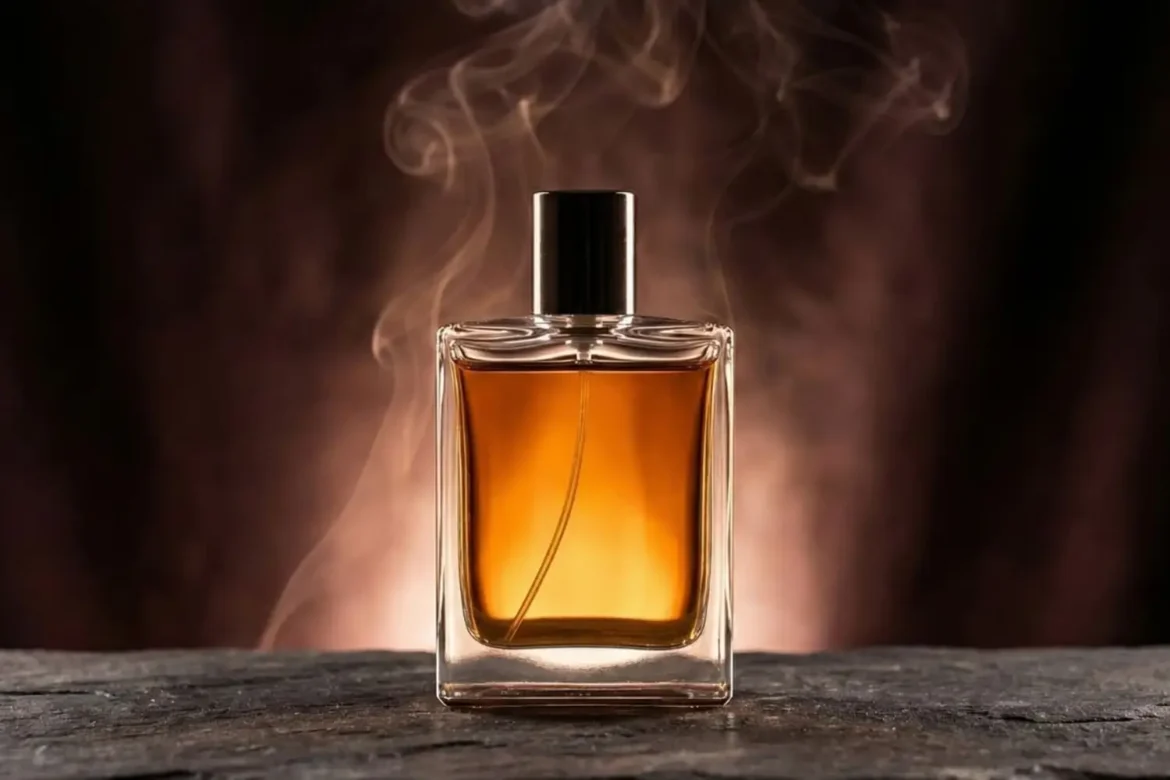
Choosing a personal fragrance is an intimate, sensory process that can feel daunting when faced with countless bottles in a perfumery. A scent becomes a part of one’s identity, a memory trigger for both the wearer and those around them. The journey to finding a signature scent is best approached slowly, with the understanding that fragrance develops over time on the skin and that what smells enchanting on a paper blotter may smell entirely different on the wrist. In Britain, where a culture of understatement often favours subtlety, a well-chosen perfume need not announce itself loudly to leave a lasting impression.

Understanding the basic structure of a fragrance can help demystify the selection. Most perfumes are composed of top notes, which are the first, fleeting impression, usually bright and citrusy; heart notes, which emerge after a few minutes and form the main character of the scent, often floral or spicy; and base notes, which linger for hours, providing depth through woods, musks, resins or vanilla. When testing, it is essential to wait at least twenty minutes for the heart notes to develop before making a judgement. Rubbing the wrists together after application is a common habit that actually crushes the molecules and distorts the evolution of the scent.

Rather than trying to test many fragrances in one visit, nose fatigue sets in quickly. A better method is to select two or three that initially appeal, spray one on each wrist (and perhaps one on the inner elbow) and then leave the shop. The fragrance should be lived with for the rest of the day, noticed in different moments, as body heat and natural skin chemistry reveal hidden facets. A scent that seems too sweet at first might settle into a warm, comforting cloud; a sharp, green opening might mellow into something unexpectedly elegant. Taking notes on a phone or in a small diary about the development of each test helps build a personal reference library.

Pages: 1 2

Advertisement

Summer in Britain is a season of glorious unpredictability. A morning that begins with bright sunshine can, by midday, turn into a steady drizzle or even a sudden downpour. Dressing comfortably for such conditions does not mean resigning oneself to a shapeless plastic poncho; it means choosing garments and accessories that handle moisture intelligently while remaining breathable, lightweight and, ideally, stylish. The goal is to stay dry without overheating, and to look presentable whether caught in a shower on a high street or walking a windswept coastal path.

The most critical item is a reliable waterproof layer. Contemporary raincoats made from technical fabrics offer outstanding water resistance while allowing sweat vapour to escape, preventing the clammy interior typical of old-fashioned macs. For those who prefer natural materials, a tightly woven cotton gabardine or Ventile jacket, treated with a durable water repellent finish, provides a more classic aesthetic. Such jackets, originally developed for British explorers, can withstand substantial rain and remain comfortable in mild temperatures. The key is to choose a coat that is long enough to cover the thighs, with a hood that can be adjusted to stay put in a gust of wind without obscuring peripheral vision.

Underneath the waterproof layer, breathable natural fibres are the wise choice. Cotton and linen shirts or dresses allow air to circulate, preventing the stickiness that synthetics can cause against the skin. Merino wool, surprisingly, is a wonderful summer fibre; it wicks moisture away from the body and resists odour, making it ideal for a lightweight cardigan or a fine knit worn over a camisole. Layers are the cornerstone of British summer dressing: removing a jumper when the sun emerges, and pulling it back on when clouds gather, maintains comfort throughout the day without the need to carry a change of clothes.

Pages: 1 2

Advertisement

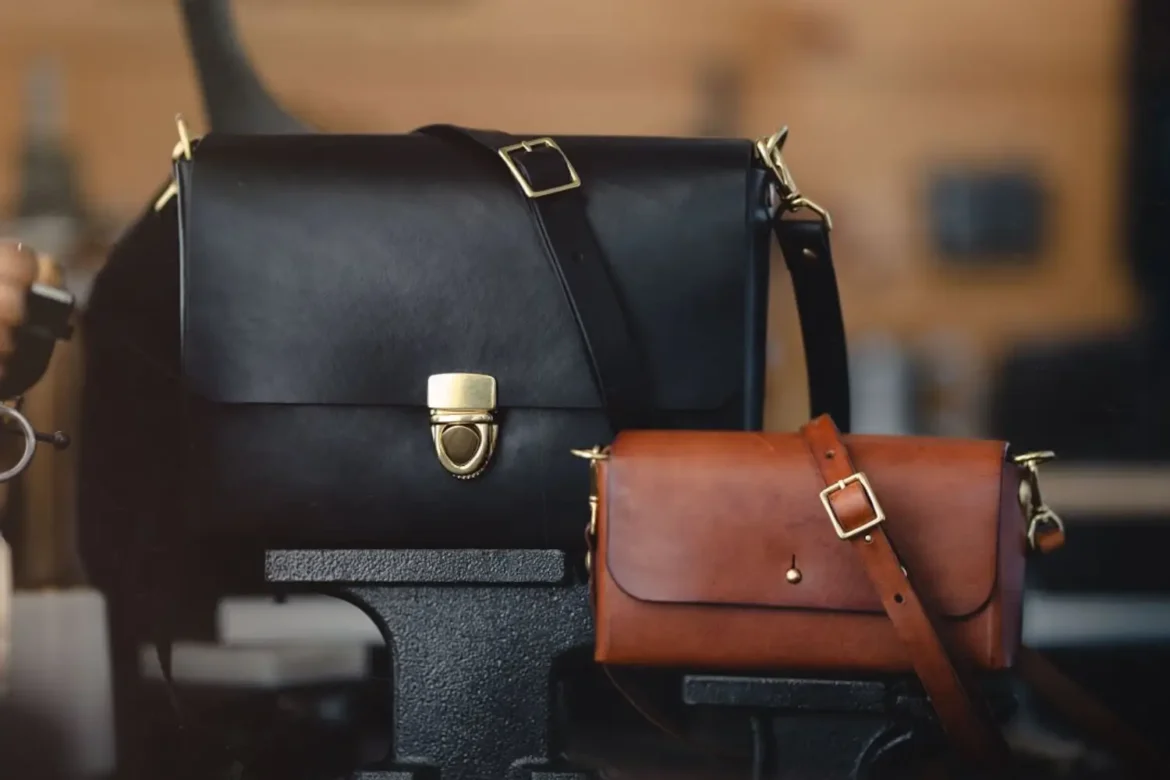
A well-made leather bag occupies a unique place in the wardrobe: it is simultaneously a practical daily tool and an expression of personal style. Unlike many fashion items that follow short-lived trends, a good leather bag can improve with age, developing a rich patina and a supple drape that synthetic materials can never replicate. In Britain, with its long tradition of leatherwork—from the saddlers of Walsall to the artisan workshops of London and the Cotswolds—a handmade leather bag is also a connection to a heritage of craftsmanship. Investing in one such piece is a decision that rewards the owner every day.

The quality of the leather itself is the starting point. Full-grain leather, which retains the natural surface of the hide complete with its marks and variations, is the most durable and characterful choice. Over time, exposure to sunlight, natural oils from the hand and everyday use will darken and polish the leather, creating a finish unique to the owner’s handling. This living quality means that a bag that may look slightly stiff and uniform when new will steadily become more beautiful. Top-grain leather, which has been lightly sanded to remove imperfections, offers a smoother, more consistent appearance and remains an excellent option for those who prefer a refined look.

Construction details are the silent markers of longevity. Instead of being glued, high-quality leather bags are stitched with strong waxed thread, often using a saddle stitch that will hold even if one stitch breaks. The edges of the leather should be burnished, a time-consuming process that smooths and seals the fibres, preventing moisture from seeping in. Metal hardware, such as buckles and clips, should be solid brass or stainless steel rather than cheap plated alloys that tarnish and corrode. These details are not immediately obvious to a casual glance, but they make the difference between a bag that lasts a year and one that lasts twenty.

Pages: 1 2

Advertisement

A good woollen jumper or cardigan, chosen with care, can be a loyal companion for many winters. The soft warmth of lambswool, the distinctive texture of Shetland wool or the cloud-like lightness of cashmere all reward proper attention. In the damp, chilly British climate, knitwear is not merely a fashion statement but a practical necessity. With the right approach to washing, storing and minor repairs, these garments can remain beautiful and functional for a decade or longer, rather than pilling and losing shape after a single season.

The first rule of knitwear care is to wash sparingly. Wool fibres are naturally odour-resistant and do not require cleaning after every wear. Often, simply airing a jumper on a flat surface overnight is enough to freshen it. When washing becomes necessary, a gentle hand-wash in cool water with a specialist wool detergent is the safest method. Hot water, aggressive detergents and vigorous agitation can cause the fibres to felt and shrink irreversibly. After soaking, the garment should be gently pressed against the side of the basin to remove excess water—never wrung or twisted—and then rolled in a clean towel before being laid flat on a drying rack, away from direct heat.

Pilling, the formation of small fibre balls on the surface of knitwear, is a natural result of friction rather than a sign of poor quality. A high-quality wool sweater may pill initially as loose fibres work their way to the surface, after which the pilling often reduces. A fine-toothed cashmere comb or a battery-operated fabric shaver can gently remove these pills, restoring the smooth finish of the garment. Using such tools slowly and carefully, without pressing too hard, prevents damage to the underlying knit. Regular de-pilling, combined with proper washing, keeps knitwear looking fresh and well-tended.

Pages: 1 2

Advertisement

A capsule wardrobe is a thoughtfully edited collection of clothing and accessories that work harmoniously together, ensuring that almost everything can be mixed and matched. The concept encourages investing in fewer, higher-quality pieces that transcend seasonal trends, offering a simpler, more intentional approach to getting dressed each morning. In Britain, where the weather can shift from sunshine to drizzle in the space of an afternoon, a well-planned capsule wardrobe removes the daily stress of staring at an overstuffed rail and feeling one has nothing suitable to wear. It is not about sacrifice or uniformity; it is about clarity and personal style.

The foundation of any capsule wardrobe is a set of well-fitting, neutral basics. A crisp white cotton shirt, a soft merino wool jumper in charcoal or navy, a tailored pair of dark jeans or trousers and a classic trench coat or waxed jacket immediately provide a backbone of combinations. These core pieces do not shout for attention, but their quality is felt in the weight of the fabric and the precision of the seams. When selecting such items, it is worth looking for natural fibres—cotton, linen, wool and silk—that breathe, regulate temperature and age beautifully. A garment that fits well and is cared for properly will remain in regular rotation for many years, often becoming more comfortable with time.

Colour palette is the secret to creating effortless outfits. Choosing a limited range of hues that flatter the wearer’s complexion and work well together ensures that any top can be paired with any bottom without a jarring clash. A classic British approach might centre on shades of navy, camel, cream, forest green and soft grey, with perhaps one or two accent colours such as burgundy or a muted mustard. This does not mean the wardrobe becomes dull; texture and pattern can provide interest. A Donegal tweed jacket, a striped Breton top or a silk scarf with a subtle paisley motif bring personality without overwhelming the cohesion of the whole.

Pages: 1 2

Advertisement

Disclaimer

The content published on this website is provided for general informational and educational purposes only. While we aim to keep information accurate and up to date, we make no representations or warranties of any kind regarding completeness, reliability, or accuracy. Any actions you take based on the information found on this site are strictly at your own discretion.

Contact information

Dapper Drill LTD

34 St Brendan’s Rd N, Withington, Manchester M20 3FE, UK

+447523076271

info@dapper-drill.com