

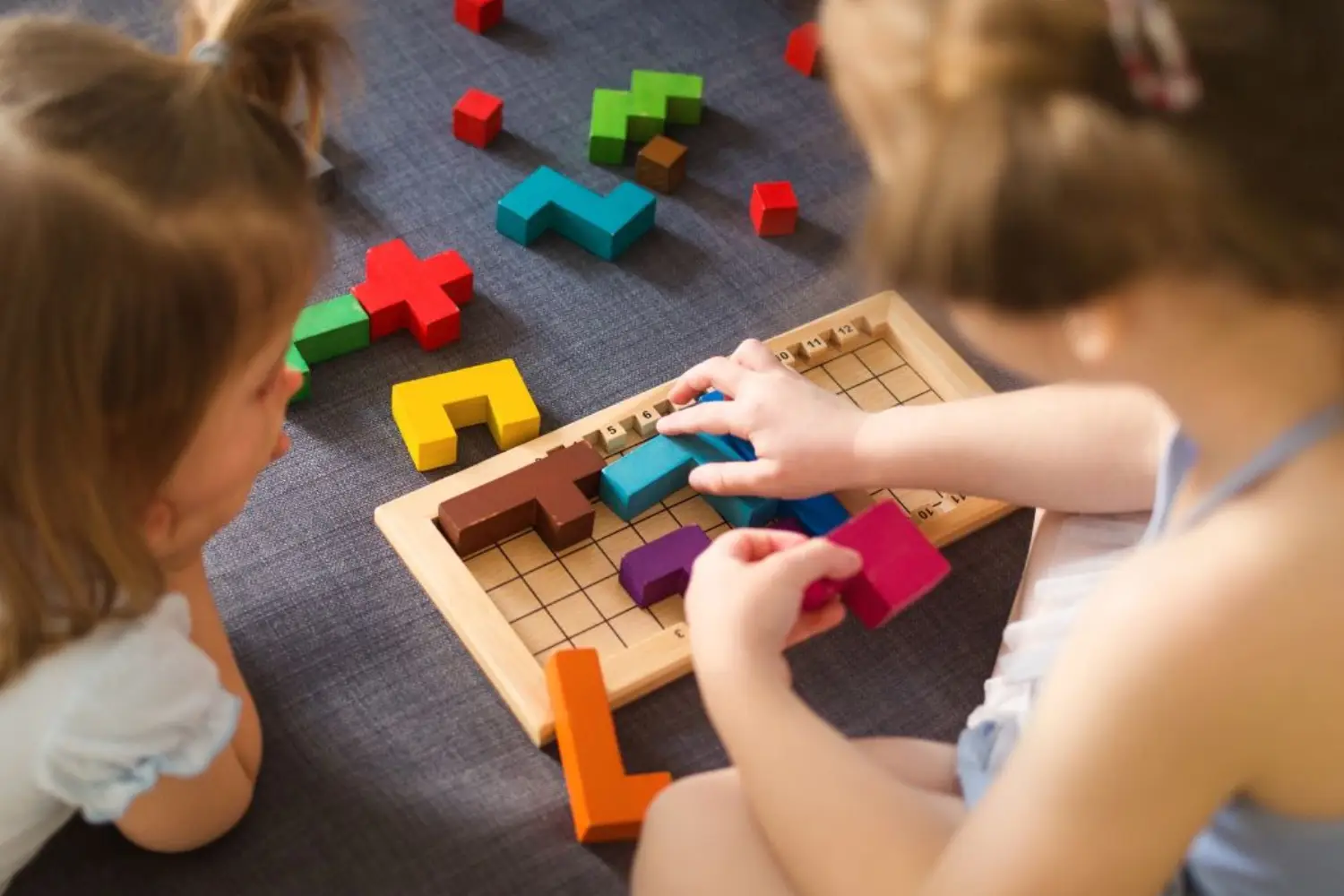
Board games have long been a staple of British family life, from rainy afternoons in holiday cottages to cosy evenings around the kitchen table. Beyond their social appeal, many modern and classic games are excellent tools for developing critical thinking skills. Unlike passive forms of entertainment, board games require players to analyse situations, weigh probabilities, anticipate opponents’ moves and make decisions under pressure. These cognitive processes, practised in a playful context, transfer subtly to academic, professional and everyday problem-solving.
Advertisement
Strategy games, in particular, challenge players to think several steps ahead. In chess, the need to hold multiple possible sequences of moves in mind exercises working memory and forward planning. In a game like Ticket to Ride, players must balance short-term route completion against long-term objectives, constantly adapting their strategy as the board changes. Even simpler games, such as Carcassonne, where players place tiles to build cities, roads and fields, require spatial reasoning and the ability to maximise limited resources. The mental effort is enjoyable, wrapped in the narrative of competition and the tactile pleasure of moving pieces.
One of the most valuable aspects of board gaming for critical thinking is the immediate feedback loop it creates. A poor decision usually leads to a tangible consequence within minutes: a lost territory, a blocked path, a wasted turn. This direct cause-and-effect relationship helps players develop a more analytical approach to problem-solving. They learn to ask themselves not just “What do I want to happen?” but “What is the most likely outcome of this move, and what could go wrong?” This habit of weighing risk and reward, of considering both the best-case and worst-case scenarios, is a transferable skill that applies to budgeting, project management and countless other real-world contexts.