

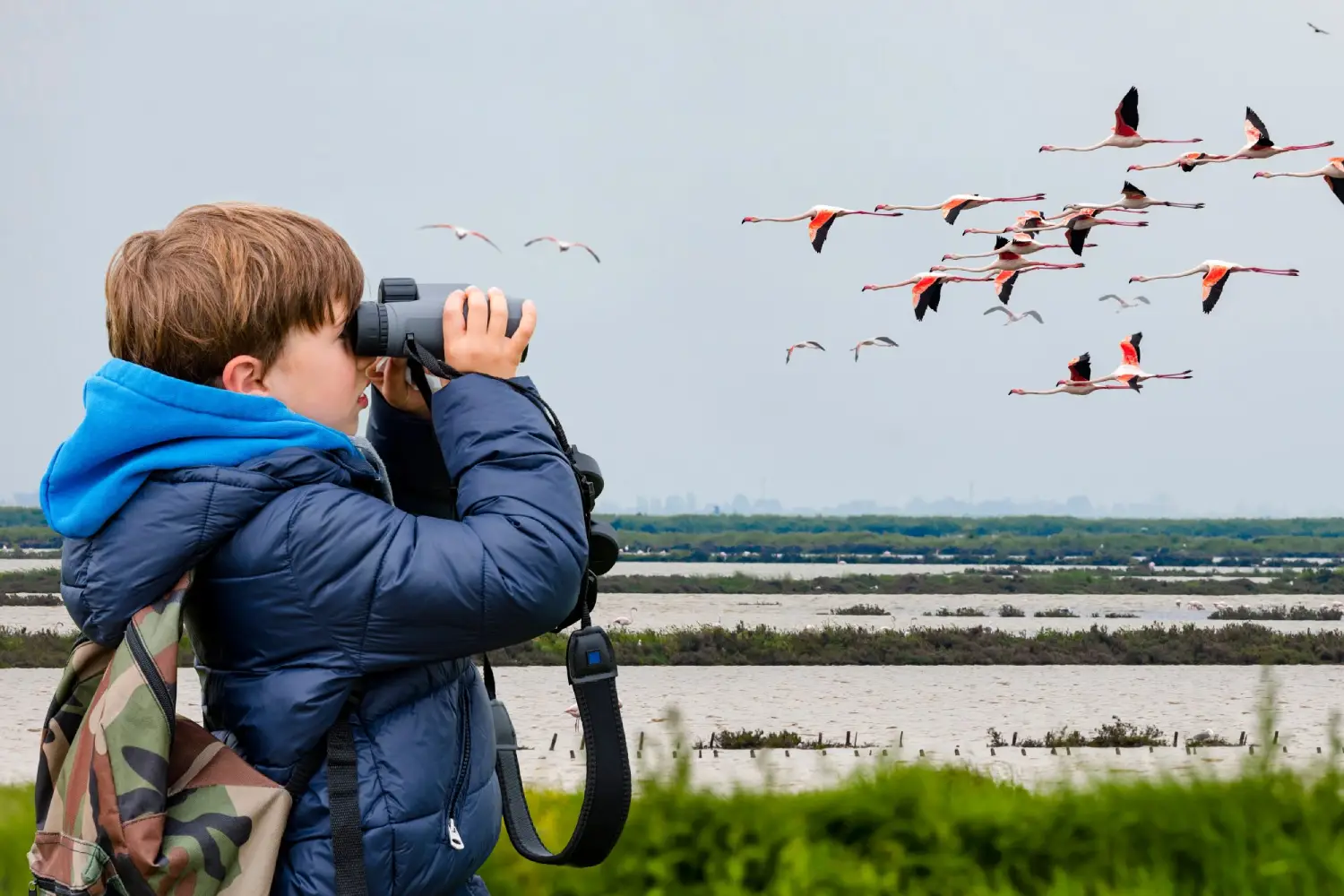
Birdwatching is an activity that quietly cultivates the art of attention. It can be practised from a kitchen window overlooking a garden, on a walk through a city park, or on a windswept marsh on the Norfolk coast. At its heart is a simple skill: learning to look and listen with care. In a culture that often rushes headlong, birdwatching invites a pause. The observer waits, binoculars at the ready, for a flash of movement in a bush or a snippet of song, and in that waiting, the mind settles into a calm, focused state that many describe as meditative.
Advertisement
A beginner needs very little equipment. A decent pair of binoculars—an 8×42 size is versatile and easy to handle—makes a world of difference, but a sharp eye and a willingness to stand still can still yield wonderful sightings. A pocket field guide, or a well-reviewed bird identification app, helps to put a name to the visitor. Dressing in muted colours, moving slowly and keeping voices low all increase the likelihood of getting close to birds without disturbing them. These quiet, deliberate movements become second nature over time, shaping the birdwatcher into a more sensitive participant in the landscape.
Gardens across Britain, even in quite built-up areas, can attract a remarkable variety of species. A bird feeder stocked with sunflower hearts, nyjer seed or fat balls draws blue tits, great tits, finches and sparrows to within a few feet of a window. A shallow water dish, especially during a dry spell or a hard frost, can be a lifeline and a magnet for bathing birds. Watching the social dynamics of a feeder—the bossy nuthatch, the acrobatic long-tailed tit, the shy dunnock shuffling on the ground beneath—provides endless entertainment and a growing knowledge of behaviour. Recording what is seen in a simple logbook adds a layer of mindfulness and creates a record that can be revisited across the seasons.