

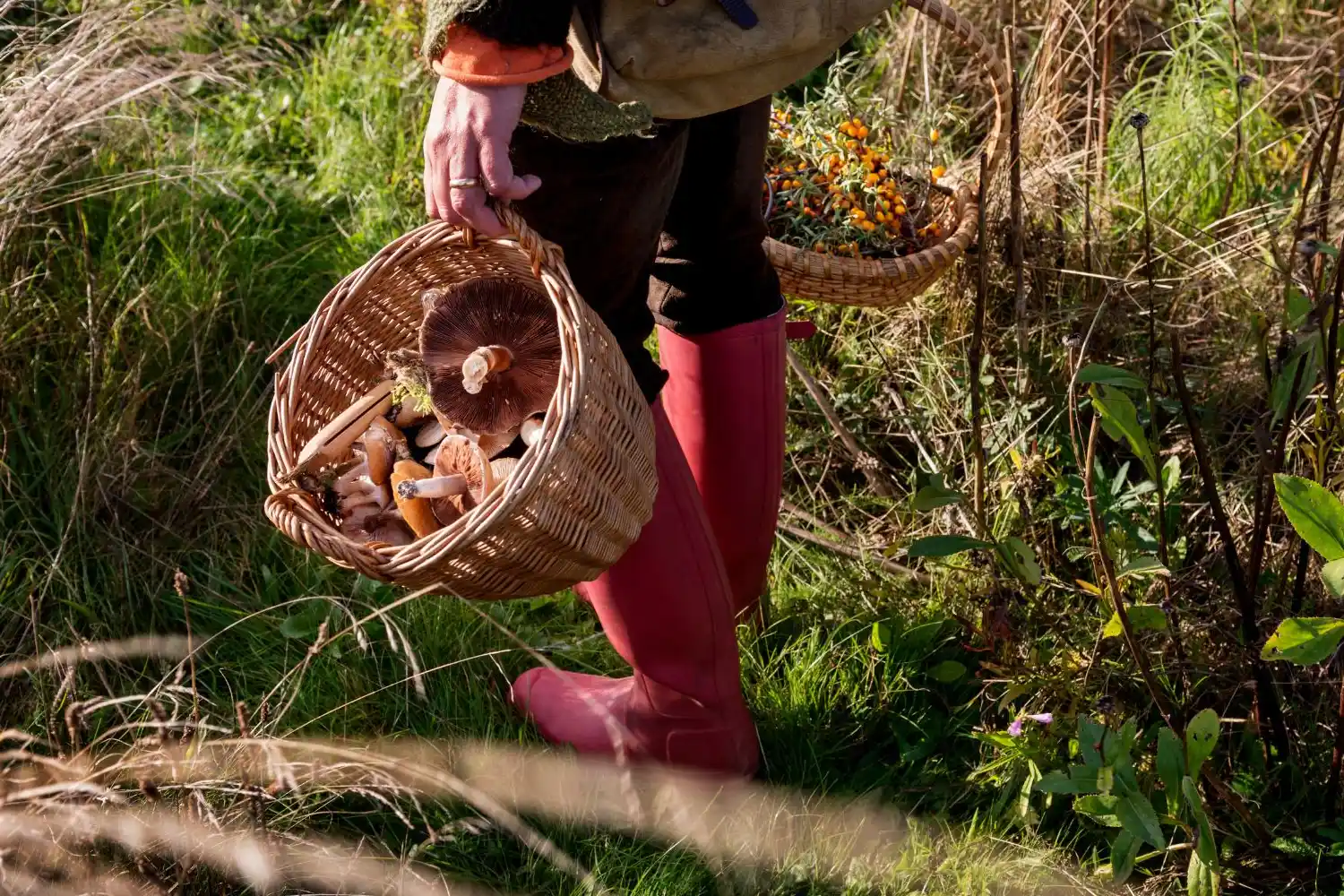
Autumn in Britain transforms hedgerows, woodlands and coastal paths into a larder of wild foods. Foraging is an activity that sharpens the senses and deepens one’s connection to the rhythm of the seasons. It asks the forager to walk slowly, to observe closely and to learn a landscape in intimate detail. The rewards are literal—handfuls of blackberries, clusters of sweet chestnuts, perhaps a few choice mushrooms—but the true riches lie in the experience itself: a crisp morning spent in golden light, gathering nature’s harvest with respect and care.
Advertisement
The overriding rule for safe and responsible foraging is absolute certainty of identification. Some of the most prized edible wild foods have toxic lookalikes. A person new to foraging should never consume any wild plant or fungus unless it has been positively identified by an experienced guide or using a reputable field guide with multiple clear photographs. In the United Kingdom, organisations such as the British Mycological Society and many regional wildlife trusts run guided foraging walks that are an ideal starting point. Learning from someone with local knowledge not only reduces risk but also enriches the experience with stories about traditional uses and folklore.
Autumn provides a calendar of abundance. Blackberries are perhaps the most familiar wild fruit, ripening in brambly hedges from late August through October; they are delicious raw, in crumbles, jams and infused in gin. Elderberries, strung in dark, heavy clusters, can be turned into a rich, immune-supporting syrup or a deep purple cordial. Sweet chestnuts, easily distinguished from the toxic horse chestnut by their spiky, needle-like cases and a little tuft at the tip, roast wonderfully over an open fire or in the oven. Rosehips, hawthorn berries and sloes appear in the hedgerows, while wild mushrooms such as chanterelles, hedgehog fungi and penny buns (cep) hide beneath the leaf litter for those with the skill to identify them.