

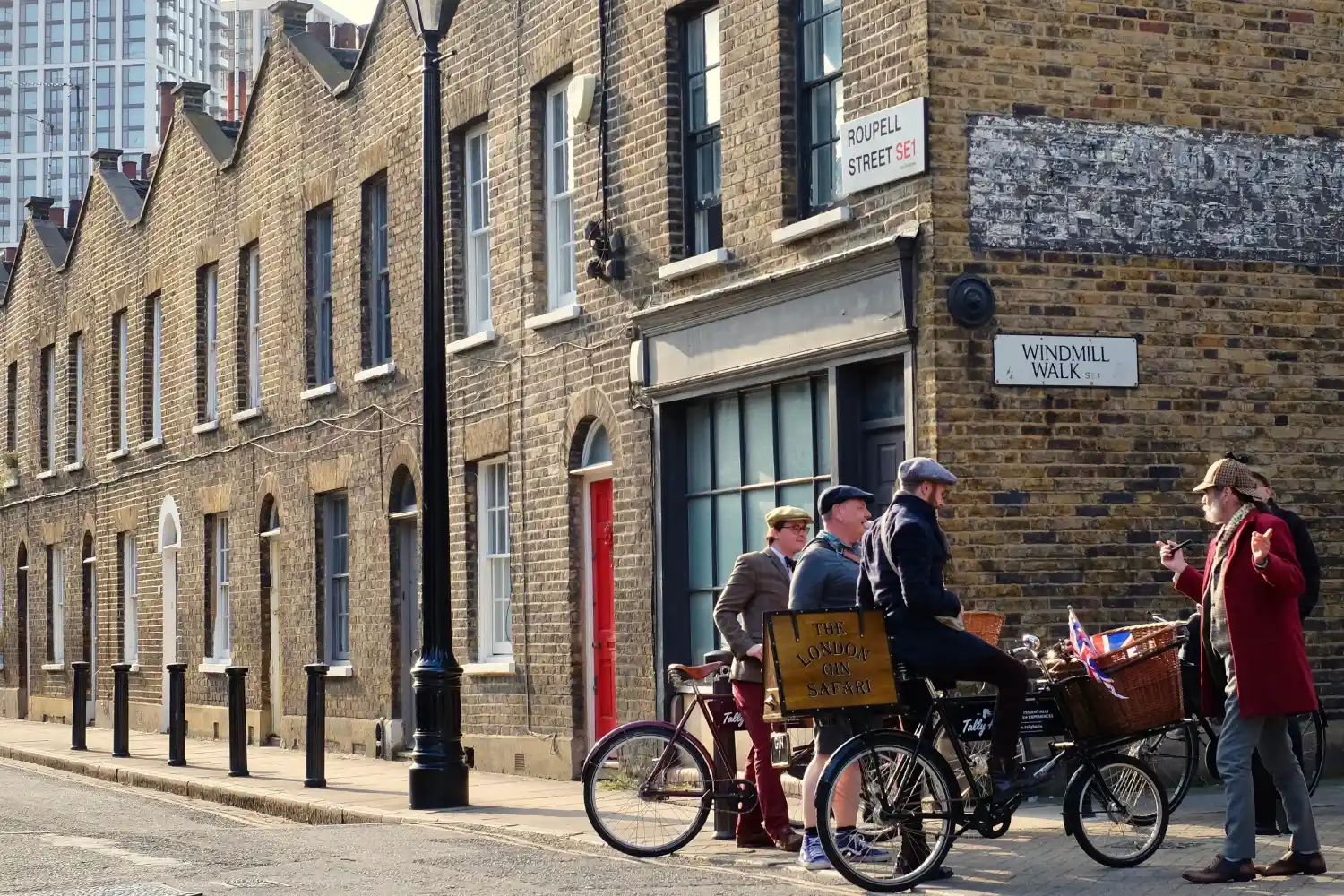
Every British town, village and city holds layers of history beneath the surface of the everyday. Walking through familiar streets with an awareness of the past transforms an ordinary stroll into a journey through time. From the ancient churchyard with its weathered gravestones to the Victorian terrace with its ornamental brickwork, the clues are all around, waiting to be noticed. Exploring local history on foot requires no special equipment, only a willingness to look closely and ask questions. The pavement, the street name, the old boundary wall—each becomes a document waiting to be read.
Advertisement
A good starting point is to consult a local history section of the public library or an online archive of historic maps. Comparing a Georgian or Edwardian map of one’s neighbourhood with the present layout often reveals striking changes: a row of cottages replaced by a supermarket, a stream that now runs culverted beneath a road, a green space that was once a market square. Walking these routes with a copy of the old map in hand, or a digital version on a phone, draws the past into the present. The vanished buildings and forgotten industries begin to form a mental overlay, enriching the visible landscape with ghostly presences.
Physical details offer their own stories. The design of a lamppost, the style of ironwork on a railing, the weathered inscription on a foundation stone—these small features speak of the craftsmen and the civic pride of earlier eras. In many British towns, the names of streets and alleys are themselves a record of lost activities: Butcher Row, Mill Lane, Fishergate. Researching these names often reveals a lineage of trade and community that stretches back centuries. Even the orientation of a building or the curve of a street can hint at a medieval field boundary or a long-forgotten watercourse.