

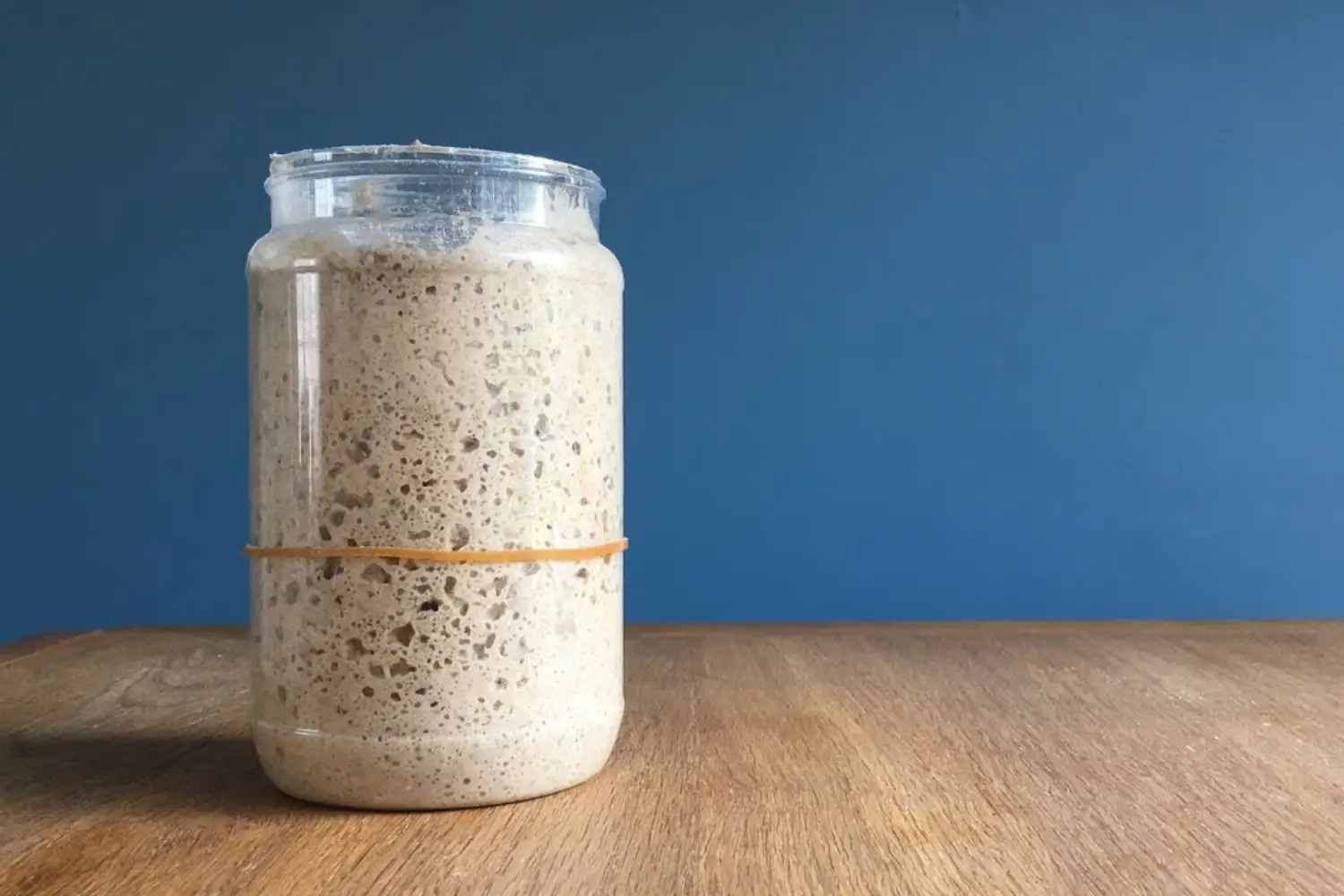
The creation of a sourdough starter from just flour and water is a small act of kitchen alchemy that has captured the imagination of home bakers across Britain. A lively, bubbling starter is a living culture of wild yeasts and beneficial bacteria, cultivated slowly in a jar and capable of raising bread without commercial yeast. Beyond the loaf, the ritual of feeding and tending a starter becomes a grounding habit, a daily moment of connection to the elemental processes of fermentation. Starting and maintaining one requires very little equipment, mostly just patience and attention.
Advertisement
The initial mixture is wonderfully simple. In a clean jar or non-reactive container, combine equal weights of organic wholemeal or rye flour and cool, filtered water—fifty grams of each is a good beginning. Wholegrain flours are recommended at the start because their higher bran content introduces more wild yeasts and nutrients to kick-start fermentation. Stir vigorously to incorporate air, scrape down the sides of the jar and cover loosely with a lid or a piece of muslin secured with a rubber band. The jar should sit at room temperature, somewhere between twenty and twenty-four degrees Celsius, away from direct sunlight.
Over the next several days, a daily routine of discarding and feeding becomes established. After twenty-four hours, the mixture may show small bubbles, or it may appear entirely inactive—both are normal. Discard half of the mixture (this can be stored in the fridge for use in discard recipes such as crackers or pancakes, to avoid waste) and add another fifty grams of flour and fifty grams of water. Stir, cover and repeat every twenty-four hours. Within three to seven days, depending on the warmth of the kitchen and the character of the local microflora, the starter should become reliably bubbly, double in volume within four to eight hours of feeding and emit a pleasantly tangy, yeasty scent. This is the signal that it is ready to leaven bread.