

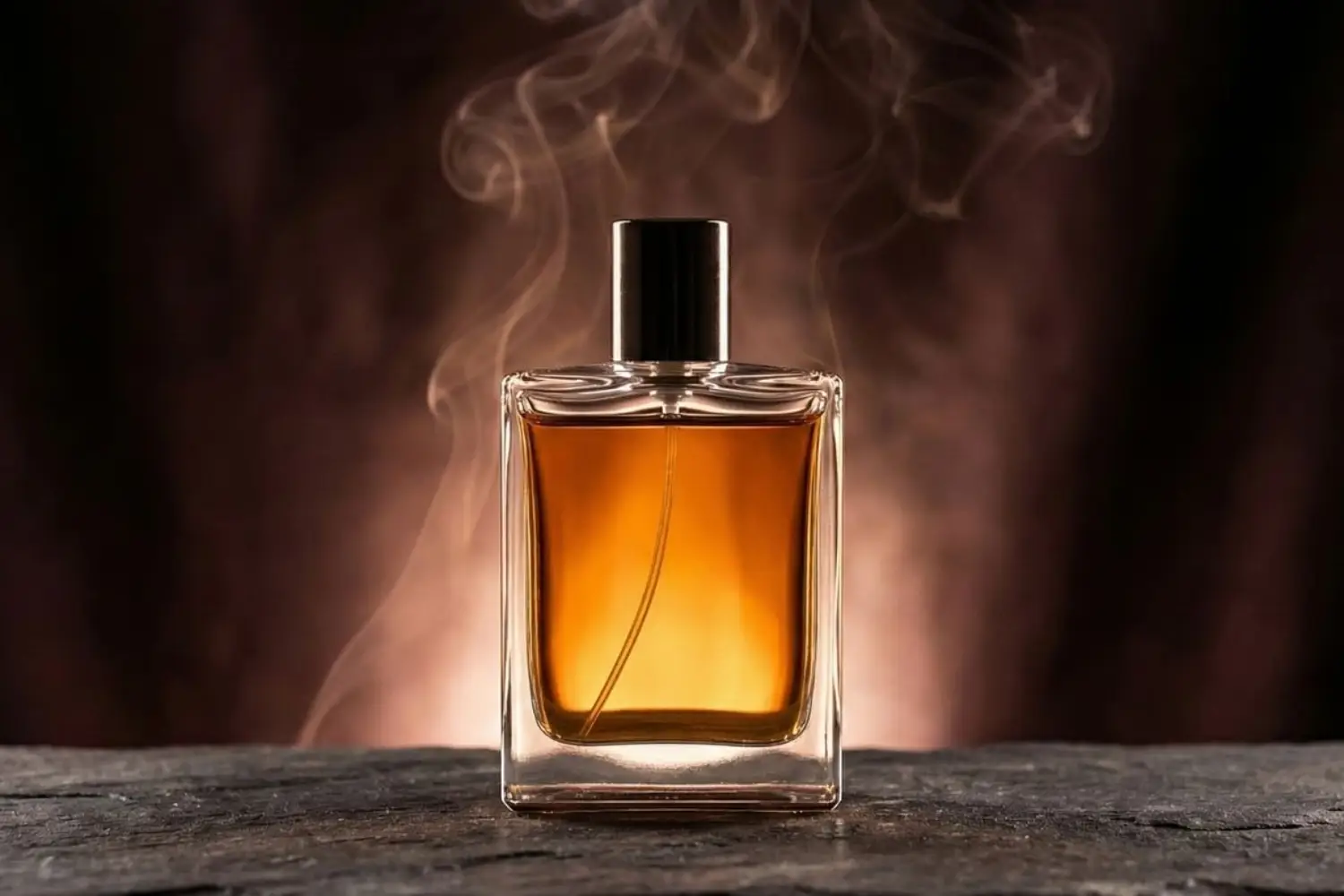
Choosing a personal fragrance is an intimate, sensory process that can feel daunting when faced with countless bottles in a perfumery. A scent becomes a part of one’s identity, a memory trigger for both the wearer and those around them. The journey to finding a signature scent is best approached slowly, with the understanding that fragrance develops over time on the skin and that what smells enchanting on a paper blotter may smell entirely different on the wrist. In Britain, where a culture of understatement often favours subtlety, a well-chosen perfume need not announce itself loudly to leave a lasting impression.
Advertisement
Understanding the basic structure of a fragrance can help demystify the selection. Most perfumes are composed of top notes, which are the first, fleeting impression, usually bright and citrusy; heart notes, which emerge after a few minutes and form the main character of the scent, often floral or spicy; and base notes, which linger for hours, providing depth through woods, musks, resins or vanilla. When testing, it is essential to wait at least twenty minutes for the heart notes to develop before making a judgement. Rubbing the wrists together after application is a common habit that actually crushes the molecules and distorts the evolution of the scent.
Rather than trying to test many fragrances in one visit, nose fatigue sets in quickly. A better method is to select two or three that initially appeal, spray one on each wrist (and perhaps one on the inner elbow) and then leave the shop. The fragrance should be lived with for the rest of the day, noticed in different moments, as body heat and natural skin chemistry reveal hidden facets. A scent that seems too sweet at first might settle into a warm, comforting cloud; a sharp, green opening might mellow into something unexpectedly elegant. Taking notes on a phone or in a small diary about the development of each test helps build a personal reference library.