
Home Home
Category:

Home

Advertisement

A room that lacks natural light can feel gloomy and uninviting, a common challenge in many British homes where small windows, north-facing aspects and the general greyness of winter combine to reduce brightness. While structural changes such as adding a skylight or a glass panel may not be practical, a combination of clever decorating techniques, strategic furniture placement and considered accessories can dramatically improve the perception of light. The eye can be remarkably easy to persuade, and a dark room can become a softly lit retreat rather than a dreary cell.

The most powerful tool is colour. Pale, warm-toned whites and soft creams on walls and ceilings reflect whatever light is available, dispersing it gently around the room. Pure brilliant white should be used with caution in a north-facing room, as it can take on a cold, greyish cast; instead, a white with a hint of yellow or pink base, such as a warm limestone or a soft ivory, creates a healthier glow. The ceiling should be painted in a lighter shade than the walls, or the same colour, to avoid a hard visual boundary that stops the eye from lifting upward. Woodwork in a matching or slightly lighter tone further reduces contrast and keeps the envelope light and airy.

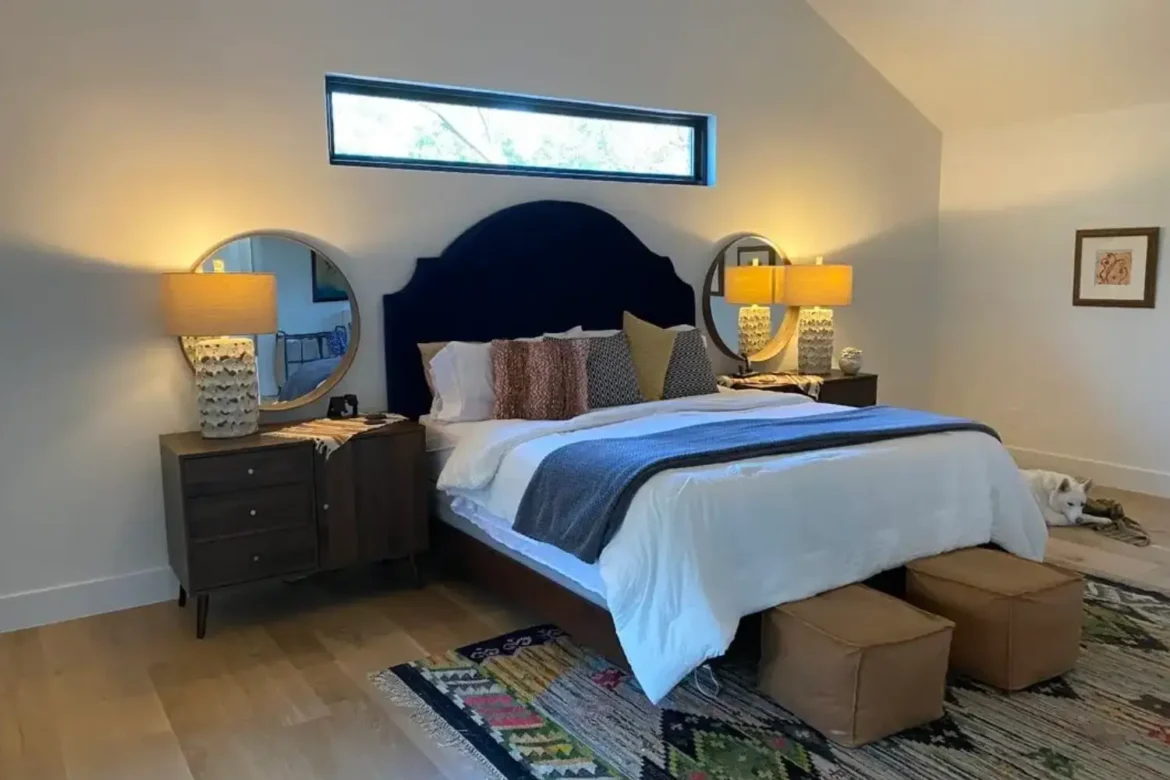
Mirrors are an age-old trick for bouncing daylight deeper into a room. Placing a large mirror on a wall opposite or adjacent to a window effectively doubles the amount of visible light. The frame should be simple and, ideally, a pale colour—gilt, silver, white or light wood—to avoid absorbing light. A collection of smaller mirrors, arranged as a gallery, can also play with reflections in interesting ways. However, care must be taken with positioning; a mirror that reflects a dark corner or a cluttered view simply amplifies the negative.
Pages: 1 2

Advertisement

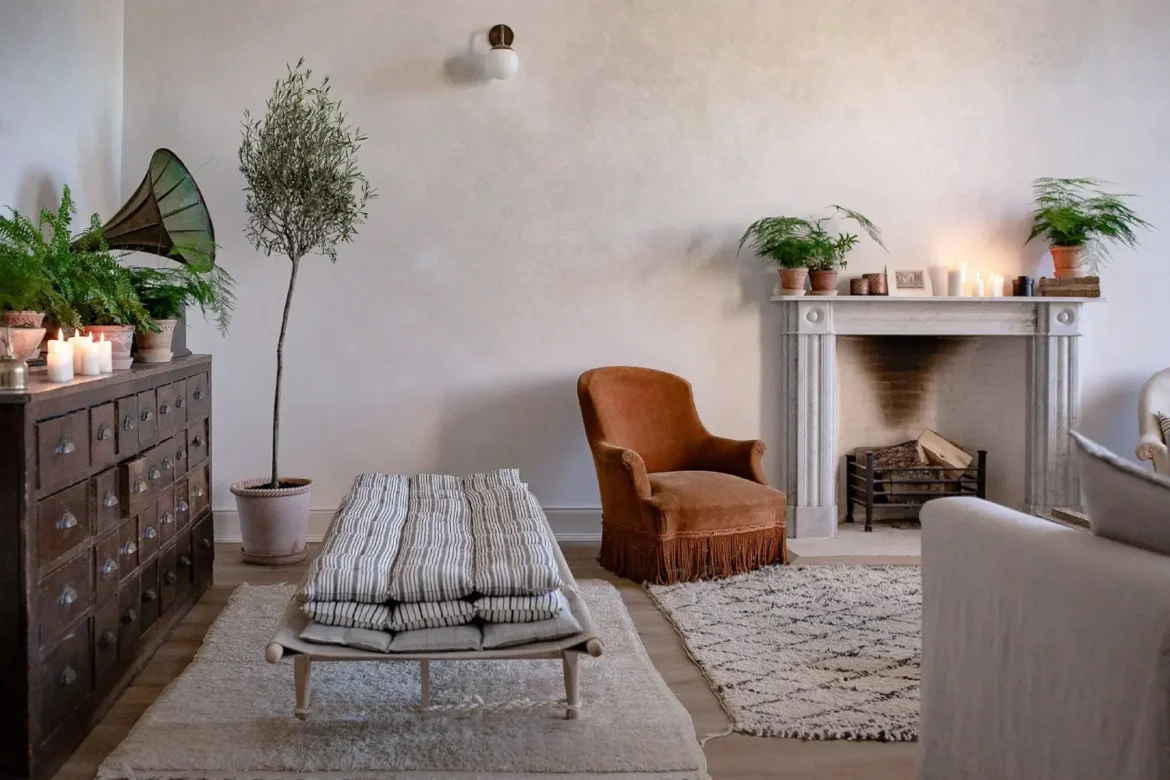
Slow decorating is an approach that treats the creation of a home not as a race to fill rooms, but as a gradual, evolving process of gathering pieces that hold meaning and beauty. It stands in contrast to the pressure to achieve an instantly “finished” interior, which so often leads to mass-produced furnishings that lack soul. In Britain, with its rich tradition of antique markets, craft fairs and architectural salvage yards, the materials for a slowly curated home are all around, waiting to be discovered over time. The result is a space that feels layered, personal and deeply comfortable, rather than a replica of a showroom.

The starting point is often a period of waiting. Moving into a new home or reimagining a room can trigger an urgent desire to get everything right away, yet the best decisions usually come after living in the space for a while. Observing how the light moves throughout the day, where the draughts are, which corner beckons for a chair and which wall might benefit from a picture all inform wiser choices. During this observation period, the focus can be on the essential shell: repairing any damp, painting walls in soft, light-reflective neutrals and ensuring the basic services are sound. A quiet, neutral backdrop allows future discoveries to shine.

The hunt for furniture and decorative objects then becomes a quiet pursuit rather than a frantic shopping spree. A Victorian chest of drawers found in a reclamation yard, bearing the marks of a century of use, might need a gentle clean with beeswax and perhaps a new set of brass handles. A ceramic bowl thrown by a local potter, picked up at a weekend craft market, brings the hand of the maker into the home. A small oil painting of a landscape, found at a car-boot sale for a few pounds and framed simply, can hold a wall with more presence than any mass-produced print. Each object arrives with a story and earns its place over time.

Pages: 1 2

Advertisement

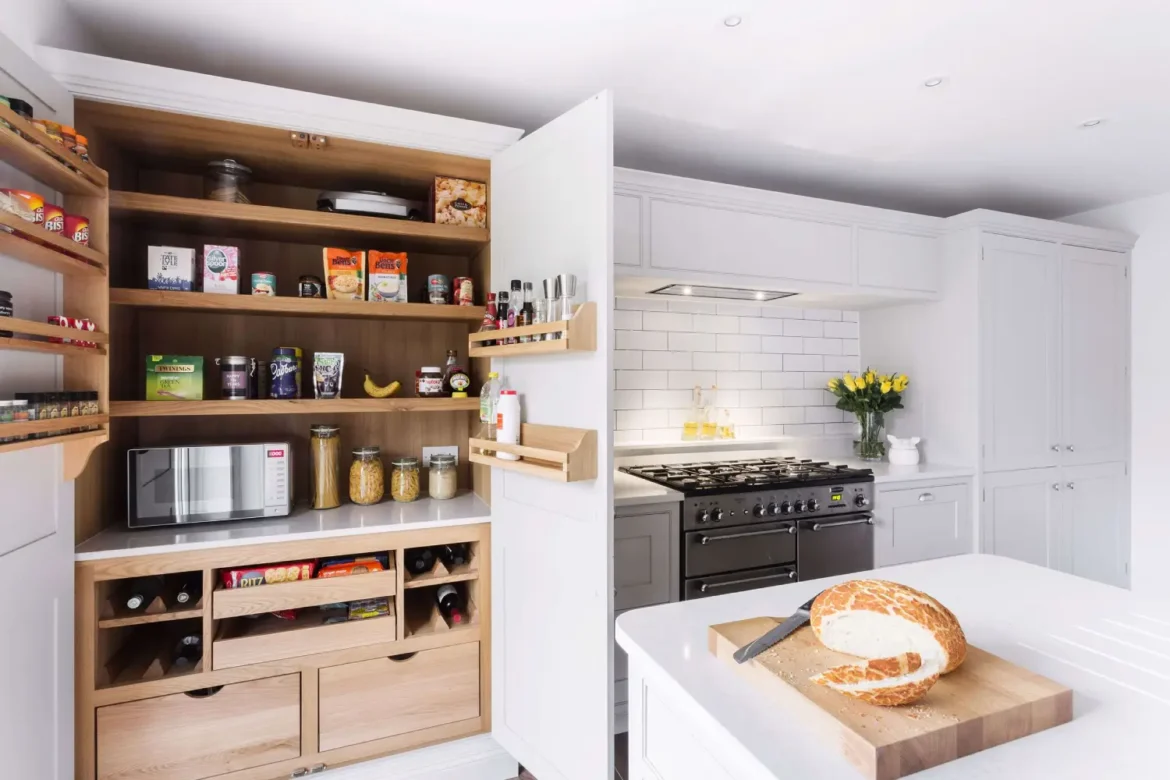
A well-organised larder or store cupboard is one of the quiet foundations of a smoothly running kitchen. When ingredients are visible, accessible and arranged logically, the daily business of meal preparation becomes less a chore and more a simple, satisfying rhythm. In many British homes, the larder may be a tall pull-out cupboard, a traditional walk-in pantry or simply a set of shelves in a kitchen corner; whatever its size, the principles of good organisation remain the same. The aim is not sterile perfection but a system that works for the way the household actually cooks and eats.

The first task is a thorough clear-out. Every jar, tin and packet should be removed, and the shelves wiped clean. This is the moment to check expiration dates and to be honest about items that have lingered untouched for months. An open packet of polenta bought for a single recipe or a jar of artichoke hearts that nobody really enjoys can be donated, composted or discarded, freeing space for the ingredients that truly earn their place. After this decluttering, the empty larder feels like a blank canvas, full of possibility.

Grouping items into broad categories is the next step. Grains, pasta and rice might occupy one shelf; tinned goods such as tomatoes, beans and coconut milk another; oils, vinegars and sauces a third. Baking ingredients—flours, sugars, raising agents, vanilla essence—tend to work well together. Snacks, dried fruits, nuts and breakfast cereals benefit from their own dedicated area. Thinking in terms of zones that mirror the flow of cooking makes intuitive sense: when preparing a stir-fry, one knows that the oils, soy sauce, rice and tinned vegetables are all in the same vicinity. The categories should reflect the household’s specific habits, not an arbitrary system found online.

Pages: 1 2

Advertisement

Many British homes, particularly older terraces and flats with north-facing windows, struggle with a lack of bright sunlight. This does not mean that indoor greenery must be abandoned. A host of houseplants have adapted to grow in the dappled understorey of forests and can flourish in relatively dim conditions, provided their other needs are met. Understanding which species are genuinely low-light tolerant, and learning to read the subtle signals they give, is the key to keeping a leafy, healthy indoor garden even in the shadiest of rooms.

The first step is plant selection. The cast iron plant, Aspidistra elatior, earned its common name during the Victorian era for its ability to survive the gas-lit, dim interiors of townhouses. The snake plant, Sansevieria, with its architectural, upright leaves, tolerates almost any light level and asks only for infrequent watering. The peace lily, Spathiphyllum, produces elegant white spathes even in deep shade and visibly droops when thirsty, making it wonderfully communicative. Other reliable choices include the ZZ plant, the heart-leaf philodendron and the various ferns such as the Boston fern or maidenhair fern, which thrive in the humid, lower-light conditions of a bathroom or a shaded kitchen corner.

Providing the right amount of water is perhaps the most common challenge. In low light, plants photosynthesise more slowly and thus use less water, meaning that the risk of root rot from over-watering increases considerably. The golden rule is to test the soil moisture before reaching for the watering can: pushing a finger an inch or two into the compost will reveal whether it is still damp beneath the surface. For most low-light plants, the soil should be allowed to dry out partially between waterings. Using pots with drainage holes, placed on saucers, prevents water from sitting around the roots and causing decay.

Pages: 1 2

Advertisement

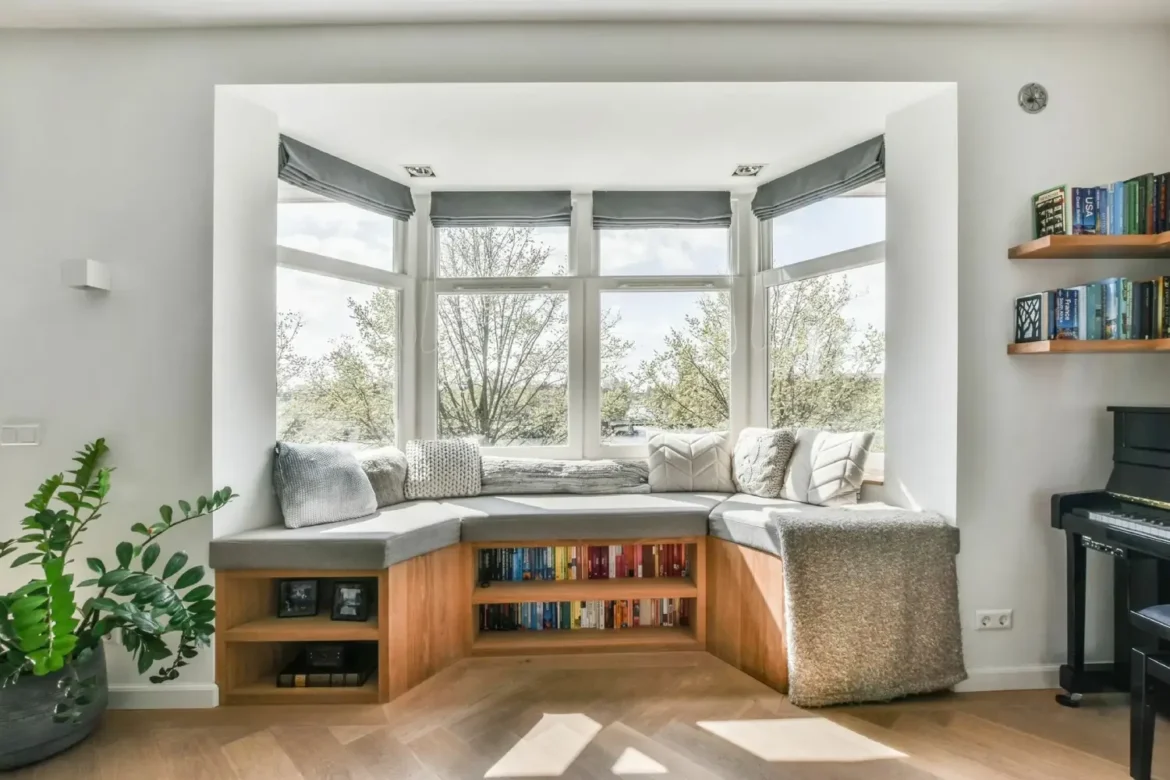
Almost every home has an underused corner that could be transformed into a dedicated reading nook. A spot beside a window, the alcove next to a chimney breast, the space under the stairs or even a quiet landing can become a sanctuary for books and stillness. Creating such a space requires very little in the way of structural change; it is about layering comfort, light and personal mementoes to craft an inviting retreat. In British homes, where rooms often serve multiple purposes, a reading nook does not demand a separate study—just a thoughtful arrangement that encourages one to linger.

The most important element is a comfortable chair. It need not be new; an old armchair reupholstered in a hard-wearing fabric or a second-hand wingback found in a charity shop can be perfect. The chair should support the back well enough for long reading sessions, and the seat should be deep enough to allow for curling up. Adding a thick cushion and perhaps a soft sheepskin throw increases the sense of cosiness. A small footstool or ottoman completes the arrangement, allowing the legs to stretch out and signalling to the body that this is a place to rest, not to rush.

Lighting makes or breaks a reading corner. Ideally, the spot should benefit from natural daylight for daytime reading, but a well-placed task lamp is essential for evenings. A floor lamp with an adjustable arm that directs light over the shoulder onto the page prevents eye strain without flooding the entire room. The bulb should be warm-toned, around 2700 Kelvin, to create a gentle, relaxing glow. In a nook near a window, a simple roller blind or a soft Roman blind can diffuse harsh afternoon sun while adding texture to the space.

Pages: 1 2

Advertisement

Disclaimer

The content published on this website is provided for general informational and educational purposes only. While we aim to keep information accurate and up to date, we make no representations or warranties of any kind regarding completeness, reliability, or accuracy. Any actions you take based on the information found on this site are strictly at your own discretion.

Contact information

Dapper Drill LTD

34 St Brendan’s Rd N, Withington, Manchester M20 3FE, UK

+447523076271

info@dapper-drill.com