

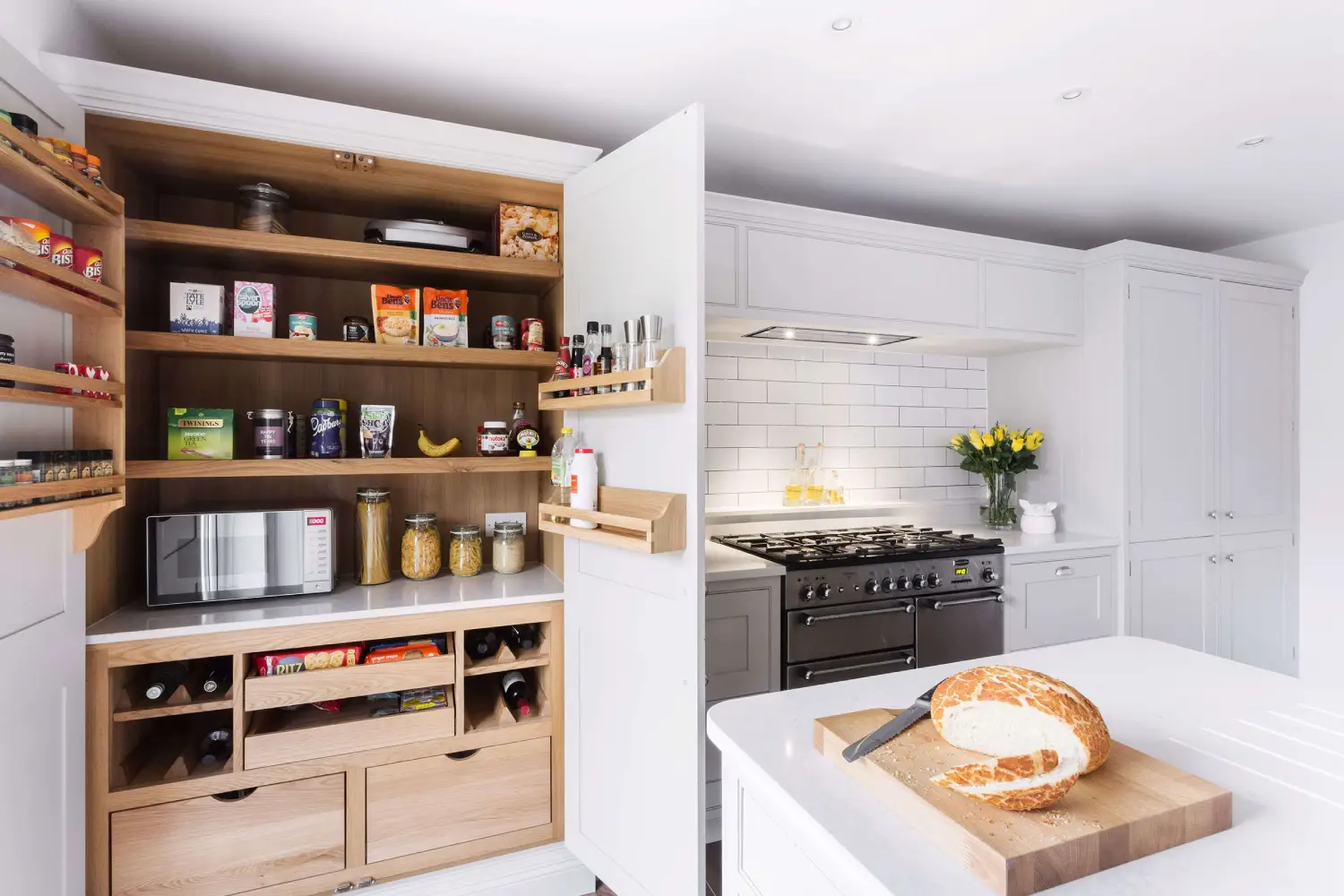
A well-organised larder or store cupboard is one of the quiet foundations of a smoothly running kitchen. When ingredients are visible, accessible and arranged logically, the daily business of meal preparation becomes less a chore and more a simple, satisfying rhythm. In many British homes, the larder may be a tall pull-out cupboard, a traditional walk-in pantry or simply a set of shelves in a kitchen corner; whatever its size, the principles of good organisation remain the same. The aim is not sterile perfection but a system that works for the way the household actually cooks and eats.
Advertisement
The first task is a thorough clear-out. Every jar, tin and packet should be removed, and the shelves wiped clean. This is the moment to check expiration dates and to be honest about items that have lingered untouched for months. An open packet of polenta bought for a single recipe or a jar of artichoke hearts that nobody really enjoys can be donated, composted or discarded, freeing space for the ingredients that truly earn their place. After this decluttering, the empty larder feels like a blank canvas, full of possibility.
Grouping items into broad categories is the next step. Grains, pasta and rice might occupy one shelf; tinned goods such as tomatoes, beans and coconut milk another; oils, vinegars and sauces a third. Baking ingredients—flours, sugars, raising agents, vanilla essence—tend to work well together. Snacks, dried fruits, nuts and breakfast cereals benefit from their own dedicated area. Thinking in terms of zones that mirror the flow of cooking makes intuitive sense: when preparing a stir-fry, one knows that the oils, soy sauce, rice and tinned vegetables are all in the same vicinity. The categories should reflect the household’s specific habits, not an arbitrary system found online.