

Home Activities
Category:

Activities

Advertisement

The feeling of cool, wet clay spinning beneath the hands is an experience that has enchanted people for thousands of years. For a complete beginner, a weekend pottery course provides a concentrated introduction to wheel-throwing, hand-building and glazing, set in the relaxed atmosphere of a working studio. Across Britain, from remote barn studios in the Scottish Borders to community pottery sheds in the heart of London, a growing number of potters open their doors to those who want to learn the craft. The weekend format strips away the pressures of long-term commitment and allows a deep dive into the tactile and meditative qualities of clay.

On the first morning, students are usually introduced to the raw material itself: a lump of stoneware or earthenware, wedged on a bench to remove air bubbles and align the particles. This preparatory step, rhythmic and slightly physical, settles the mind into the work. The tutor will demonstrate how to centre the clay on the wheel—a deceptively simple action that is the foundation of everything that follows. Pressing the clay firmly downward and inward, using the weight of the body rather than arm strength alone, coaxes the spinning mass into a smooth, symmetrical dome. Most beginners find centring the most challenging skill of the weekend; it requires patience and a willingness to fail repeatedly, watching the clay wobble and collapse before trying again.

Once the clay is centred, the magic of lifting the walls begins. With fingers dipped in water, the potter gently presses into the middle of the dome and slowly draws the clay upward, creating the form of a cylinder. This motion, repeated and refined, can yield a simple mug, a bowl or a small vase. There is a profound satisfaction in watching an inert lump rise into a vessel under the guidance of gentle, steady pressure. The tutor will often move around the wheels, offering a guiding hand when a piece is about to lose its shape, helping the student to calibrate the precise amount of water and wrist movement needed.

Pages: 1 2

Advertisement

Birdwatching is an activity that quietly cultivates the art of attention. It can be practised from a kitchen window overlooking a garden, on a walk through a city park, or on a windswept marsh on the Norfolk coast. At its heart is a simple skill: learning to look and listen with care. In a culture that often rushes headlong, birdwatching invites a pause. The observer waits, binoculars at the ready, for a flash of movement in a bush or a snippet of song, and in that waiting, the mind settles into a calm, focused state that many describe as meditative.

A beginner needs very little equipment. A decent pair of binoculars—an 8×42 size is versatile and easy to handle—makes a world of difference, but a sharp eye and a willingness to stand still can still yield wonderful sightings. A pocket field guide, or a well-reviewed bird identification app, helps to put a name to the visitor. Dressing in muted colours, moving slowly and keeping voices low all increase the likelihood of getting close to birds without disturbing them. These quiet, deliberate movements become second nature over time, shaping the birdwatcher into a more sensitive participant in the landscape.

Gardens across Britain, even in quite built-up areas, can attract a remarkable variety of species. A bird feeder stocked with sunflower hearts, nyjer seed or fat balls draws blue tits, great tits, finches and sparrows to within a few feet of a window. A shallow water dish, especially during a dry spell or a hard frost, can be a lifeline and a magnet for bathing birds. Watching the social dynamics of a feeder—the bossy nuthatch, the acrobatic long-tailed tit, the shy dunnock shuffling on the ground beneath—provides endless entertainment and a growing knowledge of behaviour. Recording what is seen in a simple logbook adds a layer of mindfulness and creates a record that can be revisited across the seasons.

Pages: 1 2

Advertisement

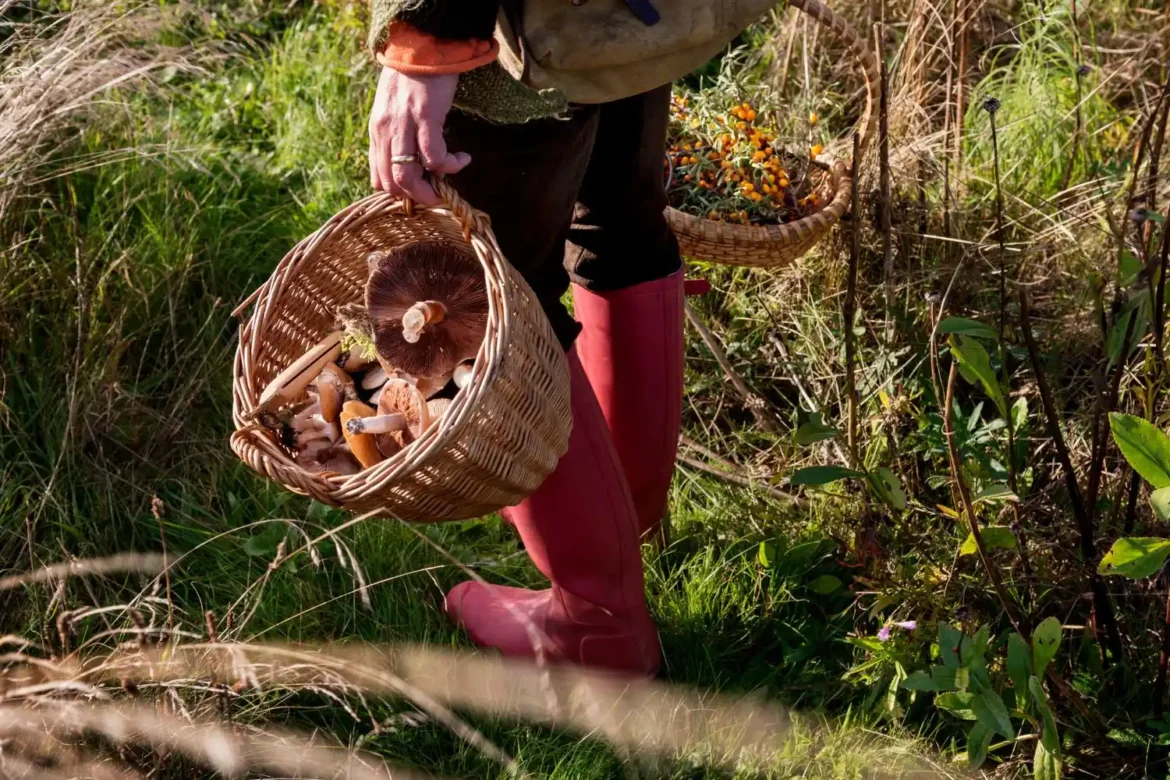
Autumn in Britain transforms hedgerows, woodlands and coastal paths into a larder of wild foods. Foraging is an activity that sharpens the senses and deepens one’s connection to the rhythm of the seasons. It asks the forager to walk slowly, to observe closely and to learn a landscape in intimate detail. The rewards are literal—handfuls of blackberries, clusters of sweet chestnuts, perhaps a few choice mushrooms—but the true riches lie in the experience itself: a crisp morning spent in golden light, gathering nature’s harvest with respect and care.

The overriding rule for safe and responsible foraging is absolute certainty of identification. Some of the most prized edible wild foods have toxic lookalikes. A person new to foraging should never consume any wild plant or fungus unless it has been positively identified by an experienced guide or using a reputable field guide with multiple clear photographs. In the United Kingdom, organisations such as the British Mycological Society and many regional wildlife trusts run guided foraging walks that are an ideal starting point. Learning from someone with local knowledge not only reduces risk but also enriches the experience with stories about traditional uses and folklore.

Autumn provides a calendar of abundance. Blackberries are perhaps the most familiar wild fruit, ripening in brambly hedges from late August through October; they are delicious raw, in crumbles, jams and infused in gin. Elderberries, strung in dark, heavy clusters, can be turned into a rich, immune-supporting syrup or a deep purple cordial. Sweet chestnuts, easily distinguished from the toxic horse chestnut by their spiky, needle-like cases and a little tuft at the tip, roast wonderfully over an open fire or in the oven. Rosehips, hawthorn berries and sloes appear in the hedgerows, while wild mushrooms such as chanterelles, hedgehog fungi and penny buns (cep) hide beneath the leaf litter for those with the skill to identify them.

Pages: 1 2

Advertisement

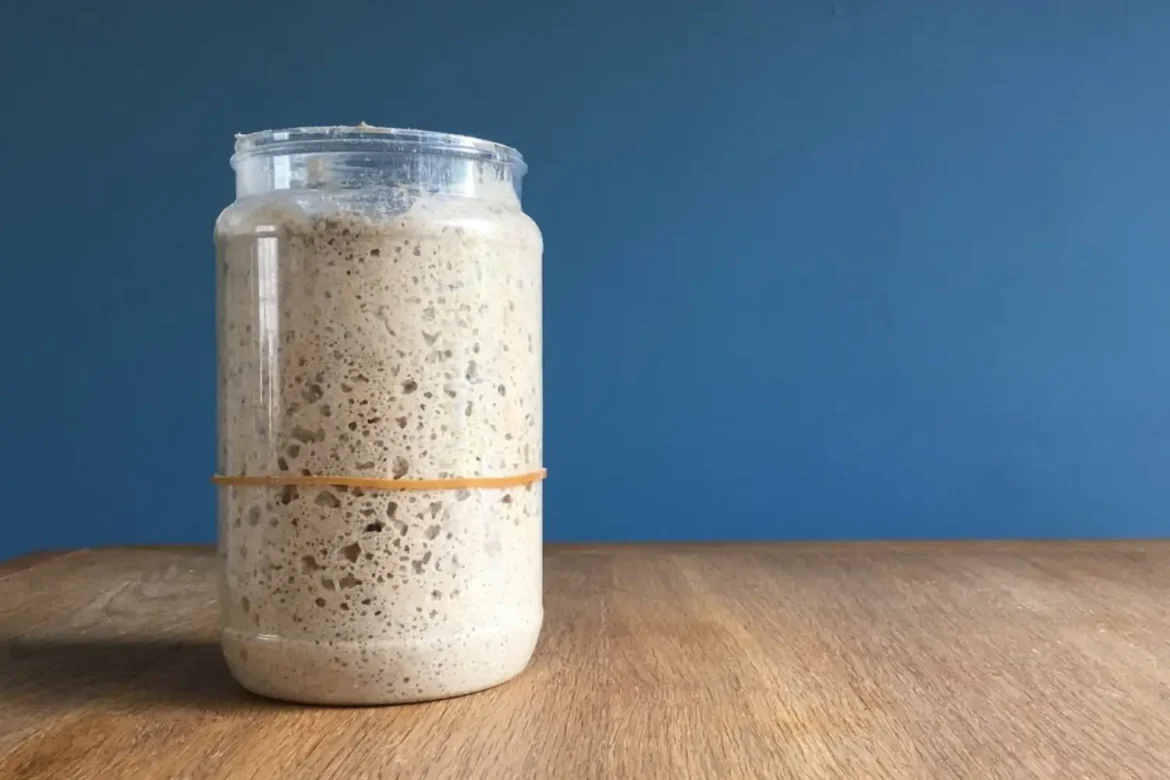
The creation of a sourdough starter from just flour and water is a small act of kitchen alchemy that has captured the imagination of home bakers across Britain. A lively, bubbling starter is a living culture of wild yeasts and beneficial bacteria, cultivated slowly in a jar and capable of raising bread without commercial yeast. Beyond the loaf, the ritual of feeding and tending a starter becomes a grounding habit, a daily moment of connection to the elemental processes of fermentation. Starting and maintaining one requires very little equipment, mostly just patience and attention.

The initial mixture is wonderfully simple. In a clean jar or non-reactive container, combine equal weights of organic wholemeal or rye flour and cool, filtered water—fifty grams of each is a good beginning. Wholegrain flours are recommended at the start because their higher bran content introduces more wild yeasts and nutrients to kick-start fermentation. Stir vigorously to incorporate air, scrape down the sides of the jar and cover loosely with a lid or a piece of muslin secured with a rubber band. The jar should sit at room temperature, somewhere between twenty and twenty-four degrees Celsius, away from direct sunlight.

Over the next several days, a daily routine of discarding and feeding becomes established. After twenty-four hours, the mixture may show small bubbles, or it may appear entirely inactive—both are normal. Discard half of the mixture (this can be stored in the fridge for use in discard recipes such as crackers or pancakes, to avoid waste) and add another fifty grams of flour and fifty grams of water. Stir, cover and repeat every twenty-four hours. Within three to seven days, depending on the warmth of the kitchen and the character of the local microflora, the starter should become reliably bubbly, double in volume within four to eight hours of feeding and emit a pleasantly tangy, yeasty scent. This is the signal that it is ready to leaven bread.

Pages: 1 2

Advertisement

Wild swimming—the act of immersing oneself in natural bodies of water such as lakes, rivers and the sea—has a long history in Britain and is experiencing a joyful resurgence. The appeal is immediate: the startling freshness of cool water, the sensation of being suspended in a living landscape and the deep calm that often follows a swim are unlike anything a heated indoor pool can provide. For a beginner, the prospect can feel daunting, but with the right preparation, knowledge of safe locations and a gradual approach, wild swimming can become a lifelong, healthful passion.

Safety must be the very first consideration. The most important rule is never to swim alone in unfamiliar water. Joining a local wild swimming group, many of which are active across the UK and welcoming to newcomers, provides companionship, shared knowledge and a layer of security. Before entering any body of water, it is essential to assess the conditions: check the speed of the current in rivers, the tides on the coast and the water quality via the Environment Agency’s online tools. Clear, still water in a known swimming spot is the best starting point. Jumping or diving into water where the depth and the presence of submerged objects are unknown can lead to severe injury. Entering slowly, via a gentle slope or steps, allows the body to adjust and the swimmer to test the bottom.

Cold water shock is a physiological response that can affect even strong swimmers. When the body hits cold water, typically below 15 degrees Celsius, the gasp reflex and rapid breathing can cause panic if not managed. The key is to enter gradually, allowing the breath to settle before pushing off into deeper water. Wearing a brightly coloured silicone swim cap and, for longer swims, a wetsuit or neoprene boots and gloves helps retain warmth. A tow float—an inflatable buoy tethered to the swimmer—is an inexpensive piece of kit that provides visibility and something to hold onto if feeling tired. These precautions transform a potentially risky activity into a controlled, measured experience.

Pages: 1 2

Advertisement

Disclaimer

The content published on this website is provided for general informational and educational purposes only. While we aim to keep information accurate and up to date, we make no representations or warranties of any kind regarding completeness, reliability, or accuracy. Any actions you take based on the information found on this site are strictly at your own discretion.

Contact information

Dapper Drill LTD

34 St Brendan’s Rd N, Withington, Manchester M20 3FE, UK

+447523076271

info@dapper-drill.com