

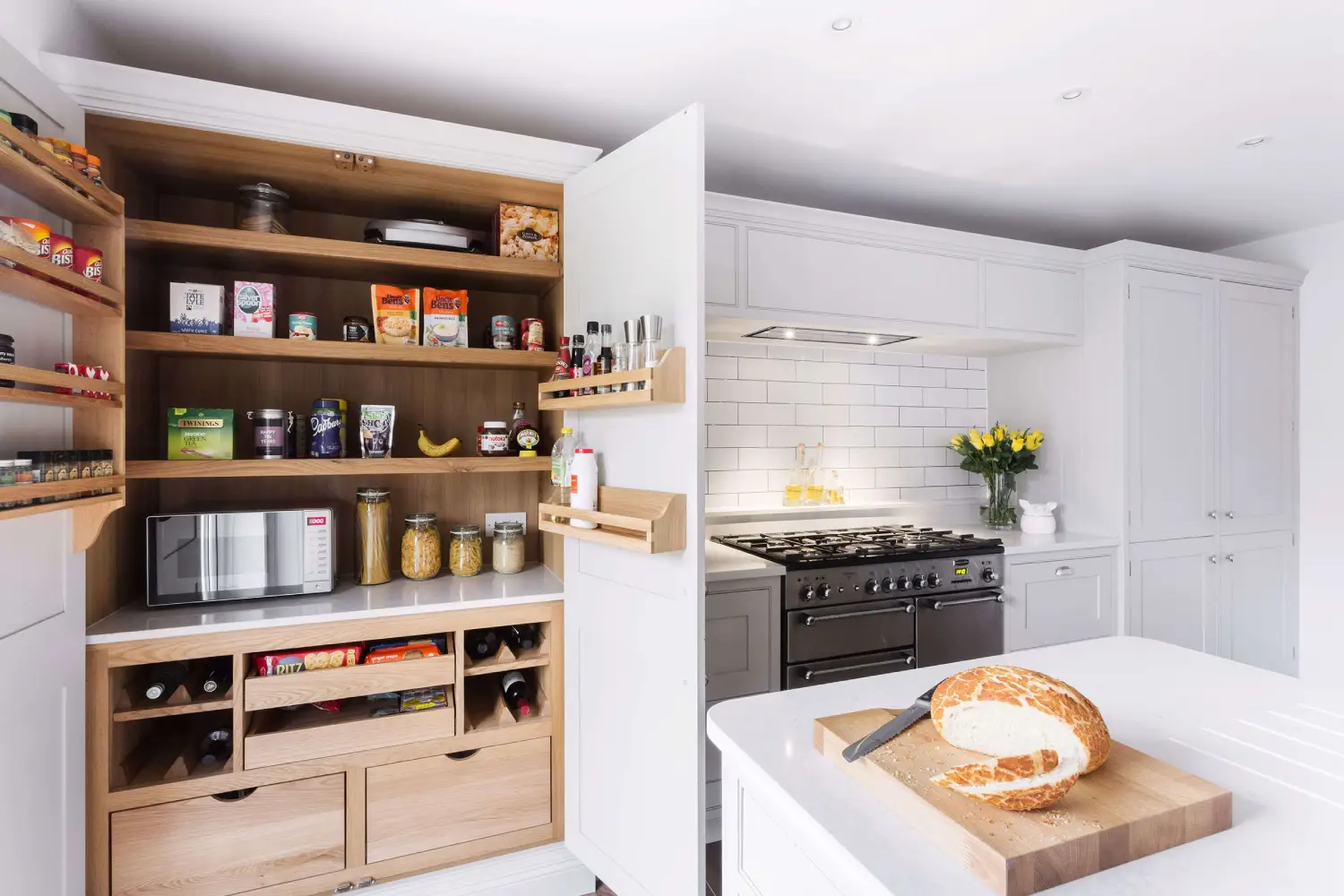
Decanting dry goods into clear, airtight glass or sturdy plastic containers is transformative. It not only looks neater but also keeps food fresher for longer, prevents pests and makes it immediately obvious when supplies are running low. Stackable, square containers maximise shelf space, while wide-mouthed jars make scooping and spooning easy. Labelling, whether with a simple sticky label and pen or a more elaborate label maker, removes any guesswork and helps other household members return things to their correct places. Labels on the top or front of containers, noting the contents and the date of purchase, are particularly useful for flours and grains that look similar.
Advertisement
Storage accessories that use vertical space can double the capacity of a small larder. Stacking shelves, wire baskets that slide out and over-the-door racks for spices and small jars all exploit often-wasted areas. Heavy items such as large bags of flour or bulk tins should be kept low for safety. Everyday essentials—the cooking oil, salt, pepper, frequently used spices—deserve the prime, easy-reach spots at eye level. Seasonal or rarely used items, such as Christmas pudding ingredients or a special bottling of olive oil, can be tucked on a high shelf and forgotten until needed.
Maintaining the system is the final piece of the puzzle. A larder is a living space that is used multiple times a day, so it should not be expected to look like a photograph from a magazine at all times. A five-minute tidy-up before the bins are taken out each week, combined with a quick inventory check before writing the shopping list, is often enough to keep chaos at bay. The goal is not to create a project that causes stress, but a gentle framework that makes cooking more fluid. When a family member can quickly find the lentils for a soup on a rainy Tuesday evening, the small effort of organising repays itself many times over in moments of calm.