

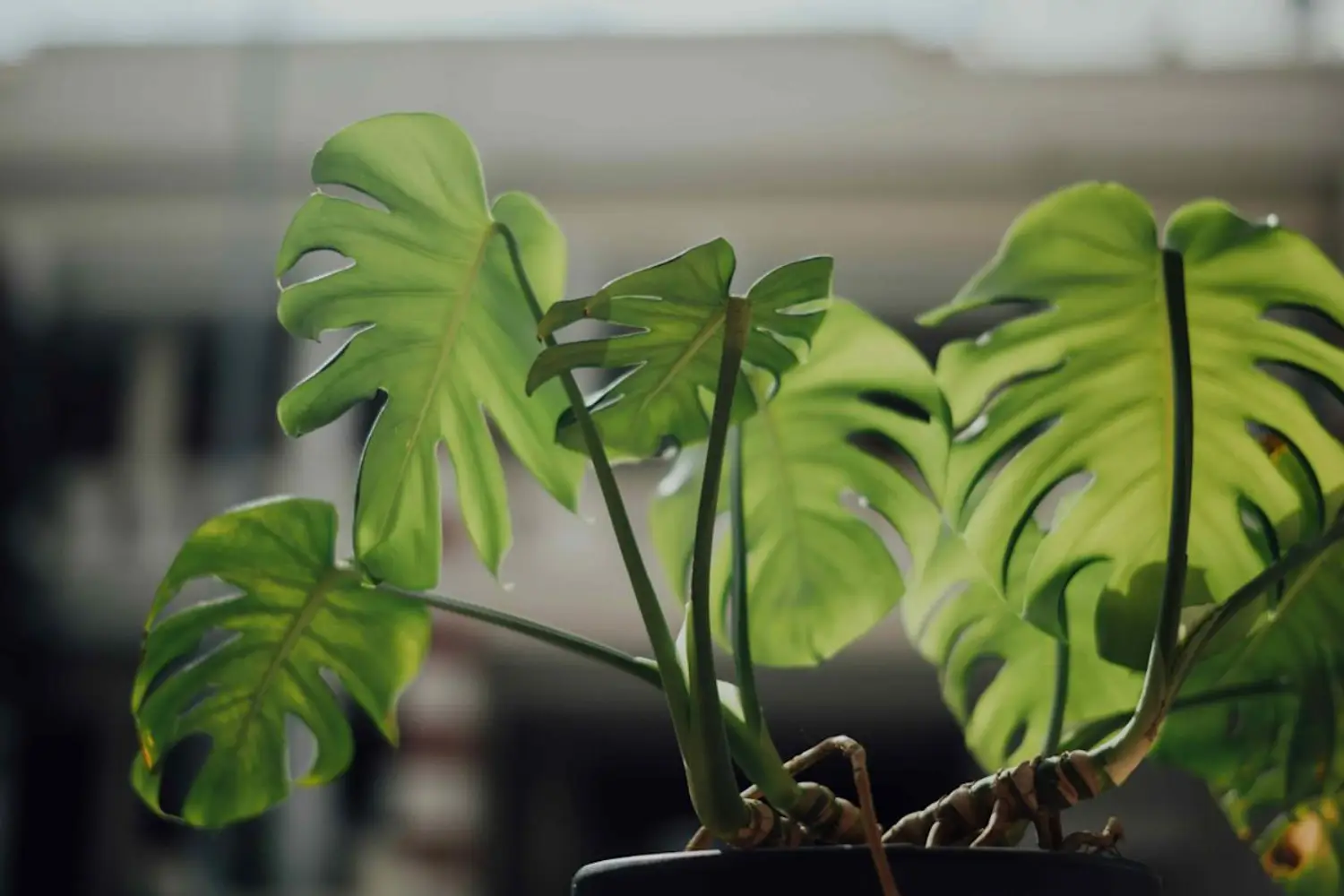
Humidity is another factor that can compensate for low light levels. Many shade-loving plants originate from tropical forests where the air is moist. In centrally heated British homes, particularly in winter, the air can become extremely dry, causing leaf tips to brown and curl. Grouping plants together creates a humid microclimate, as each plant releases water vapour through transpiration. Placing pots on trays filled with pebbles and water—ensuring the pot base sits above the water line—raises local humidity. A regular misting with rainwater or distilled water can be beneficial for ferns and calatheas, though it must be done consistently to have a lasting effect.
Advertisement
Feeding plants in low light requires restraint. Since growth is slower, nutrient requirements are correspondingly reduced. A weak solution of balanced liquid houseplant feed, applied once a month during the spring and summer growing season, is usually sufficient. It is best to avoid feeding during the darker, colder months when many plants enter a semi-dormant state. Dusting the leaves gently with a damp cloth every few weeks not only keeps them looking glossy but also maximises the amount of light that can be absorbed through the leaf surface—an essential detail when every photon counts.
Observing a plant closely deepens the relationship and makes care intuitive rather than mechanical. A peace lily that droops dramatically is clearly thirsty; a fern that is shedding fronds may need higher humidity or a move away from a radiator. Rotating pots a quarter turn every week ensures even growth, as plants will naturally lean toward whatever light source is available, however dim. With patience and a willingness to learn from the plant itself, even the darkest corner can support a small community of green life. The reward is not only a prettier room but the daily pleasure of watching something grow against the odds, a quiet testament to resilience and patience.