

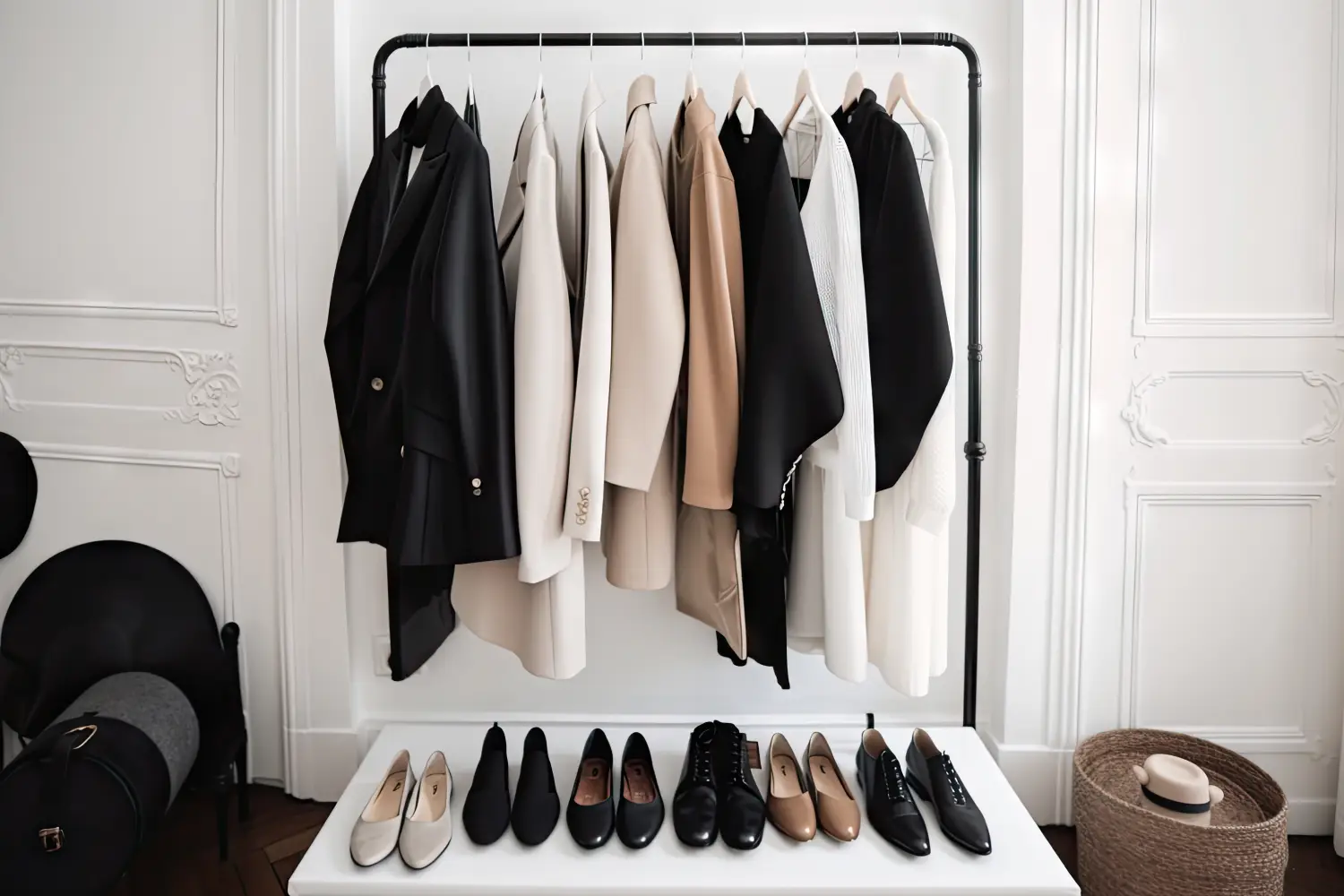
Accessories play an unexpectedly powerful role in a capsule wardrobe. A pair of well-made leather boots, a structured handbag and a watch with a simple leather strap can elevate a basic jeans-and-jumper combination to look considered. Scarves, in particular, offer an easy way to add colour and seasonal relevance. In winter, a thick cashmere wrap in a bright shade lifts a dark coat; in summer, a linen scarf can serve as a light layer against an evening breeze. The key is to choose accessories that are both beautiful and functional, resisting the temptation to accumulate items that are rarely worn.
Advertisement
Building a capsule wardrobe is not an overnight project; it is a gradual process of editing and refining. Many people find it helpful to begin by emptying their wardrobe completely and grouping items by category. This visual audit reveals duplication—five white t-shirts of varying quality, three near-identical black blazers—and identifies gaps. The process can be confronting, particularly when confronted with clothes bought on impulse that still carry their tags. However, it is also liberating. Donating or selling pieces that no longer serve the wearer creates space, both physical and mental, for a more mindful relationship with clothing.
The true benefit of a capsule wardrobe emerges in the quiet of a weekday morning. Instead of a frantic search for something that works, one reaches for a familiar, trusted combination and walks out the door feeling confident. The reduction in decision fatigue is significant, freeing up mental energy for other pursuits. Furthermore, this approach aligns with a growing awareness of sustainable fashion; buying less but better reduces textile waste and supports craftspeople who value quality over volume. Dressing becomes a form of self-respect and environmental care, a daily practice of choosing well and wearing with pleasure.