

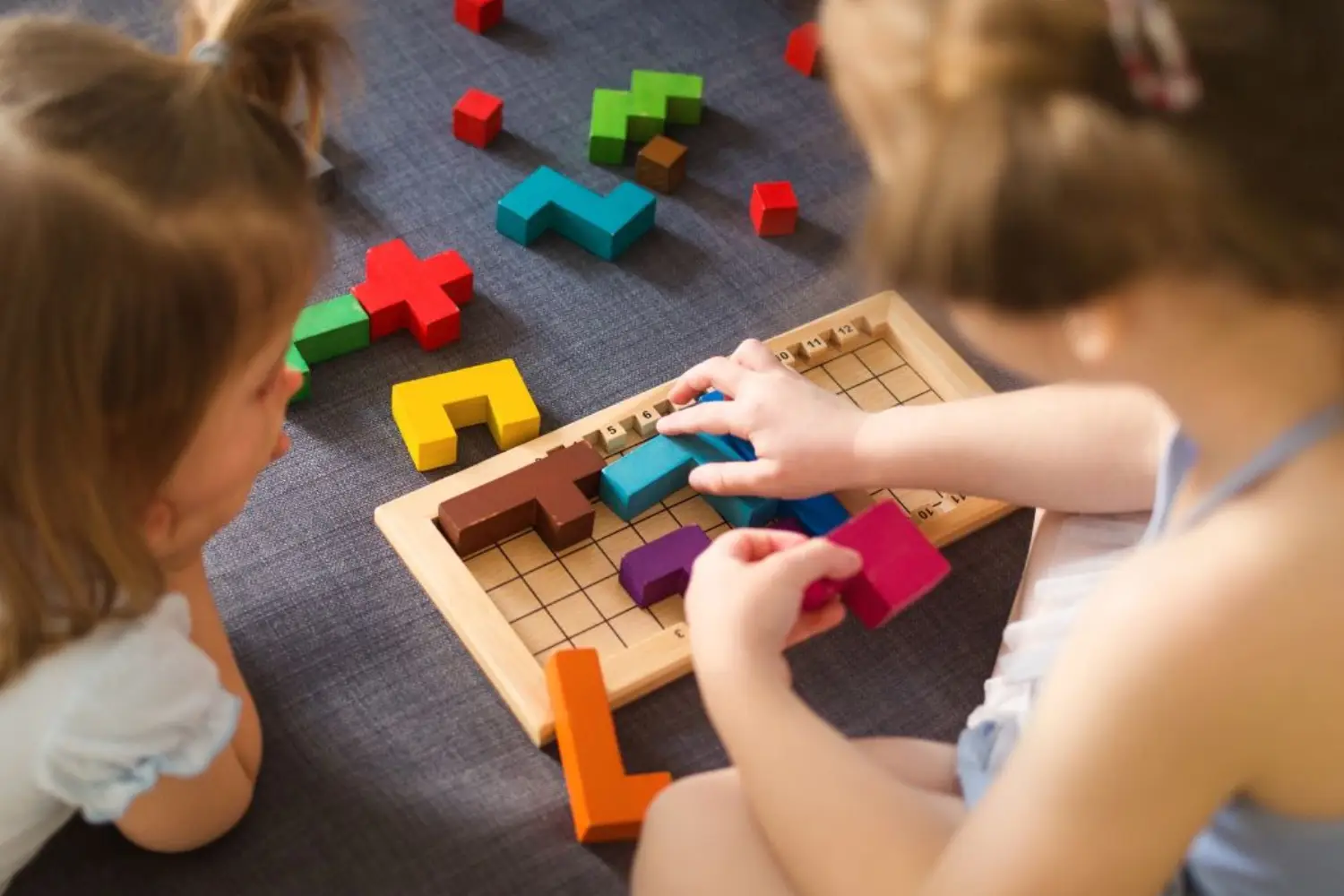
Cooperative board games, where players work together against a common challenge rather than competing against one another, offer a different kind of critical thinking practice. In games such as Pandemic, participants must communicate openly, share information and collectively decide how to deploy limited resources to contain an outbreak. These games demand systems thinking: understanding how different parts of a complex situation interact and how a small decision today might lead to a crisis tomorrow. They also build emotional intelligence, as players learn to listen, to advocate for their view respectfully and to accept group decisions gracefully—all essential components of mature critical thought.
Advertisement
The social nature of board games adds a dimension that solitary puzzles cannot provide. Reading the intentions of an opponent, interpreting a bluff in a game like The Resistance or Coup, and deciding when to cooperate and when to betray in a negotiation game all engage theory of mind—the ability to understand another person’s mental state. This skill is fundamental to critical thinking in any field that involves human interaction, from law and business to healthcare and education. The game table becomes a low-stakes laboratory for testing social and logical strategies, where failure is a learning experience rather than a catastrophe.
Integrating board games into family life, a school club or a regular gathering of friends creates a culture of thoughtful play. Choosing games that are appropriately challenging, without being so complex that they frustrate, is key to maintaining engagement. A carefully curated shelf of games, ranging from quick card games to multi-hour strategic epics, can provide years of intellectual stimulation. In an era of screens and instant gratification, the deliberate pace, face-to-face interaction and deep concentration demanded by a good board game are a quiet rebellion. They remind us that thinking is not a chore but one of humanity’s most satisfying activities, best exercised in good company over a shared objective and a scattering of wooden tokens.