

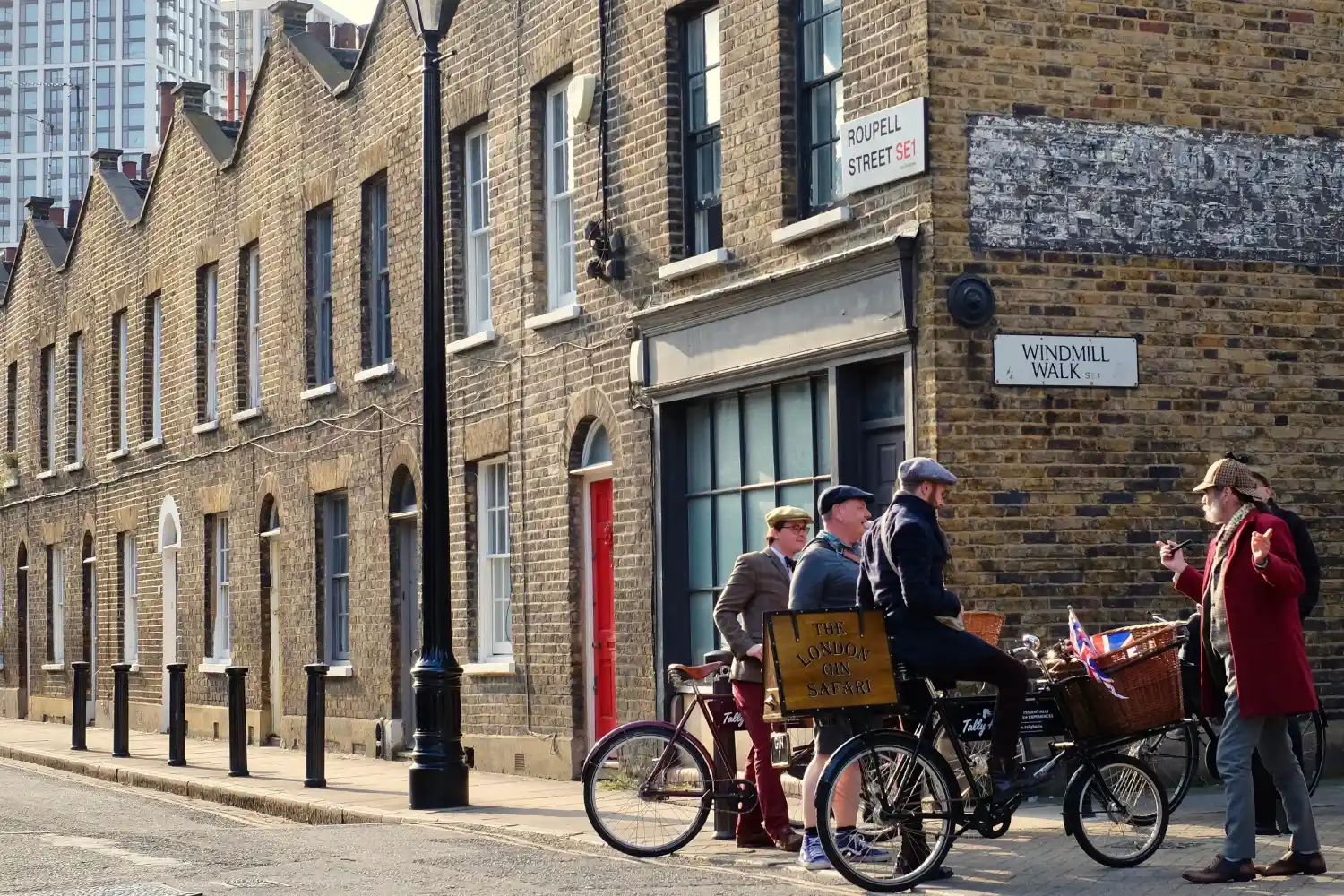
Guided walking tours, where available, provide a structured introduction to local history. Many towns have civic societies or volunteer historians who lead walks focusing on themes such as industrial heritage, literary connections or the impact of the two World Wars. These tours not only convey factual information but also share anecdotes about the people who lived in the area, bringing a human dimension to the built environment. The cost is usually modest, and the experience often sparks a lasting interest that extends far beyond the guided route.
Advertisement
Walking with the past also encourages a different kind of attention to the present. Noticing the craftsmanship of a Victorian shopfront or the quiet dignity of a war memorial encourages a slower pace and a deeper appreciation for the surroundings one passes daily. This practice can be enormously grounding, particularly in a fast-changing world. It reminds us that the places we inhabit are palimpsests, continually rewritten yet always carrying traces of what came before. The feeling of connection to generations of people who walked the same streets, faced their own challenges and found their own joys is both humbling and comforting.
The habit of exploring local history on foot can be shared with family members, making it an intergenerational activity. Children, in particular, often respond eagerly to stories of what their town was like a hundred years ago, especially when they can stand on the exact spot where a photograph was taken. This shared curiosity strengthens ties to place and fosters a sense of stewardship. Ultimately, walking through history is not about escaping the present but about understanding it more fully. It grounds identity in the layered, often surprising narrative that lies just beneath the soles of one’s shoes, waiting for anyone who chooses to walk and wonder.