

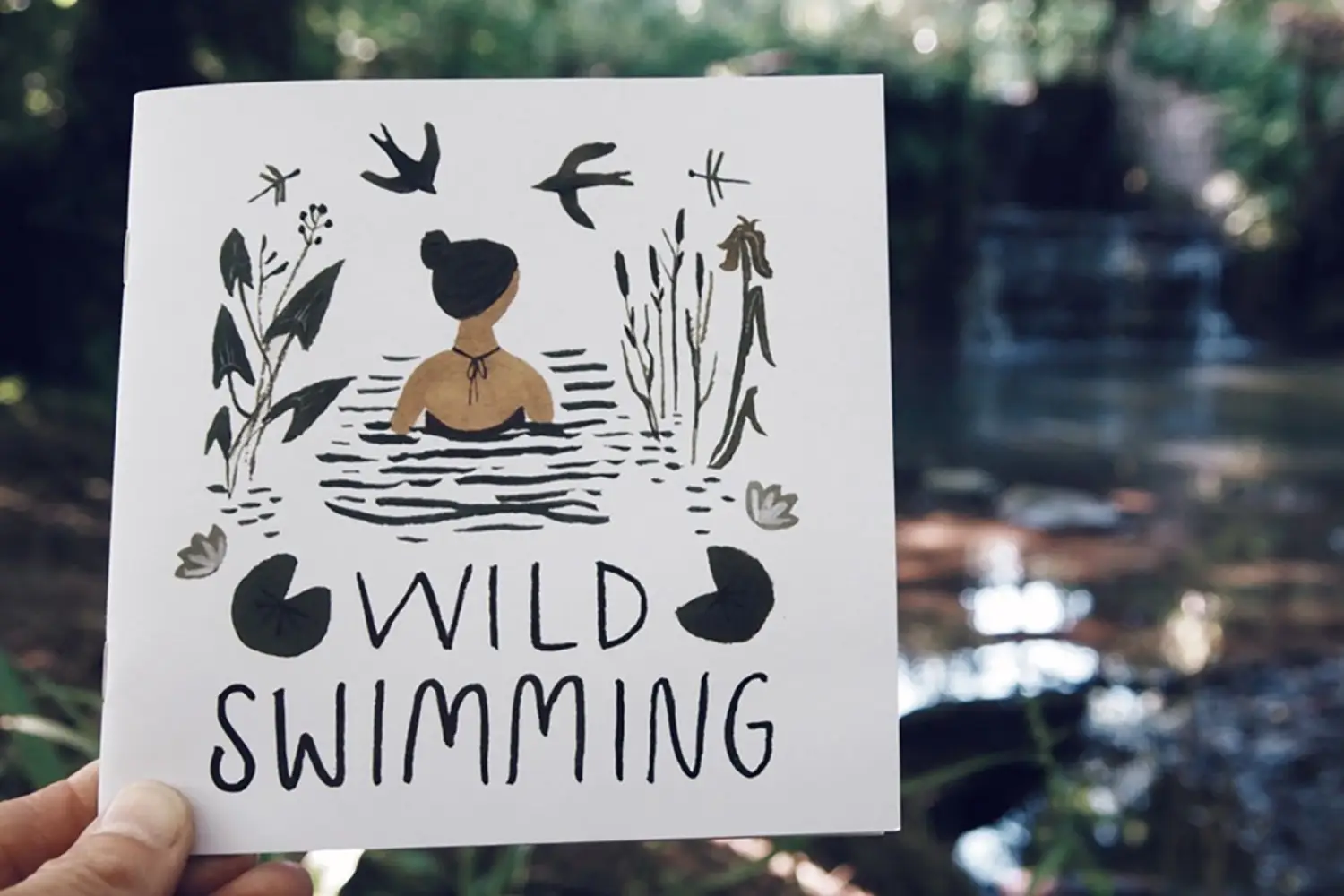
Where to swim in Britain is a question with wonderful answers. The Lake District offers iconic waters such as Buttermere and Rydal Water, while the Scottish Highlands boast lochs so clear they shimmer silver. In the south, the River Thames has stretches around Oxford and the Cotswolds that are safe and picturesque, and the rugged coastlines of Cornwall, Pembrokeshire and Northumberland provide tidal pools and sheltered coves. Many swimmers compile a personal list of favourite spots, noting the character of each with the changing seasons. Urban wild swimming is also possible: parliament-approved sections of the Serpentine in London and various lidos filled with natural or treated water offer accessible city options.
Advertisement
The after-swim ritual is almost as important as the swim itself. As soon as the swimmer leaves the water, the body will begin to cool further, a phenomenon known as the after-drop. Drying off quickly, putting on warm layers—starting with a thermal base layer, then a thick fleece and a windproof coat—and sipping a hot drink from a flask sets the tone for a lingering, deep-seated warmth. A woolly hat works wonders, as so much heat is lost through the head. Sitting on a bank, wrapped up and watching the ripples on the water, allows the mind to process the experience fully. Many people report a profound sense of mental clarity and calm that persists for hours, a gift that wild swimmers come to treasure.
Wild swimming is more than exercise; it is an immersion in the British landscape that engages every sense. The taste of the water, the sound of birds from the bank, the feel of a pebbly bed underfoot and the sight of sunlight filtering through leaves all combine to create an experience of total presence. With a community that tends to be generous with tips and enthusiastic about sharing favourite spots, a beginner can find themselves welcomed into a culture that values the elements and the quiet resilience they foster. Starting slowly, respecting the water and staying safe allows this ancient pleasure to become a source of joy for a lifetime.