

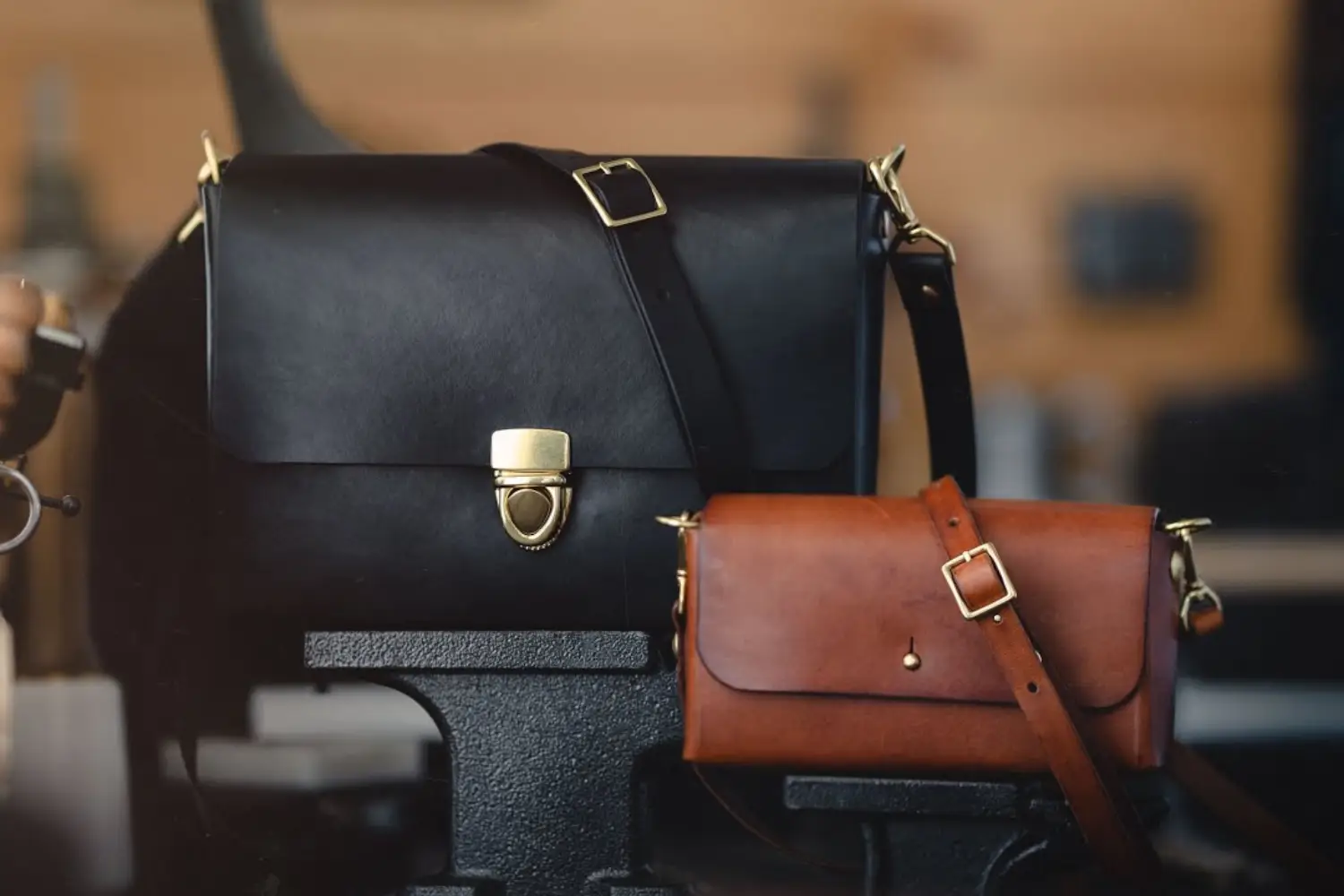
Style and function must go hand in hand. A classic satchel, a simple tote, a well-balanced backpack or a smart messenger bag—the shape should suit the rhythm of the owner’s days. Someone who commutes by bicycle will need a different design from someone who drives, while a traveller might appreciate a bag with a luggage sleeve. Colours such as tan, oxblood, chestnut and dark navy are versatile and tend to age especially gracefully. The interior should be organised enough to keep essentials accessible but not so complex that it adds unnecessary weight. A few carefully considered pockets for a phone, keys and a slim notebook are often sufficient.
Advertisement
Daily care is minimal but important. A leather bag should be kept away from prolonged damp, and if it does get wet, allowed to dry naturally at room temperature, never on a radiator. Applying a thin layer of a good leather conditioner once or twice a year keeps the fibres supple and prevents cracking. Storing the bag in a dust bag when not in use, stuffed lightly with acid-free paper to maintain its shape, preserves its structure. These small acts of maintenance, taking only minutes, far extend the life of the leather and deepen the satisfaction of ownership.
Beyond its functional role, a well-made leather bag carries a quiet statement of values. It represents a deliberate choice to reject disposable consumerism in favour of lasting quality. The smell of the leather, the smoothness of a well-worn handle and the reassuring weight of good materials combine to offer a daily sensory pleasure. In a world of fast fashion and ephemeral accessories, the bag that travels with its owner year after year, gathering stories in its creases and sheen, stands as a personal artefact—a handmade companion for all the journeys, however ordinary, that make up a life.