

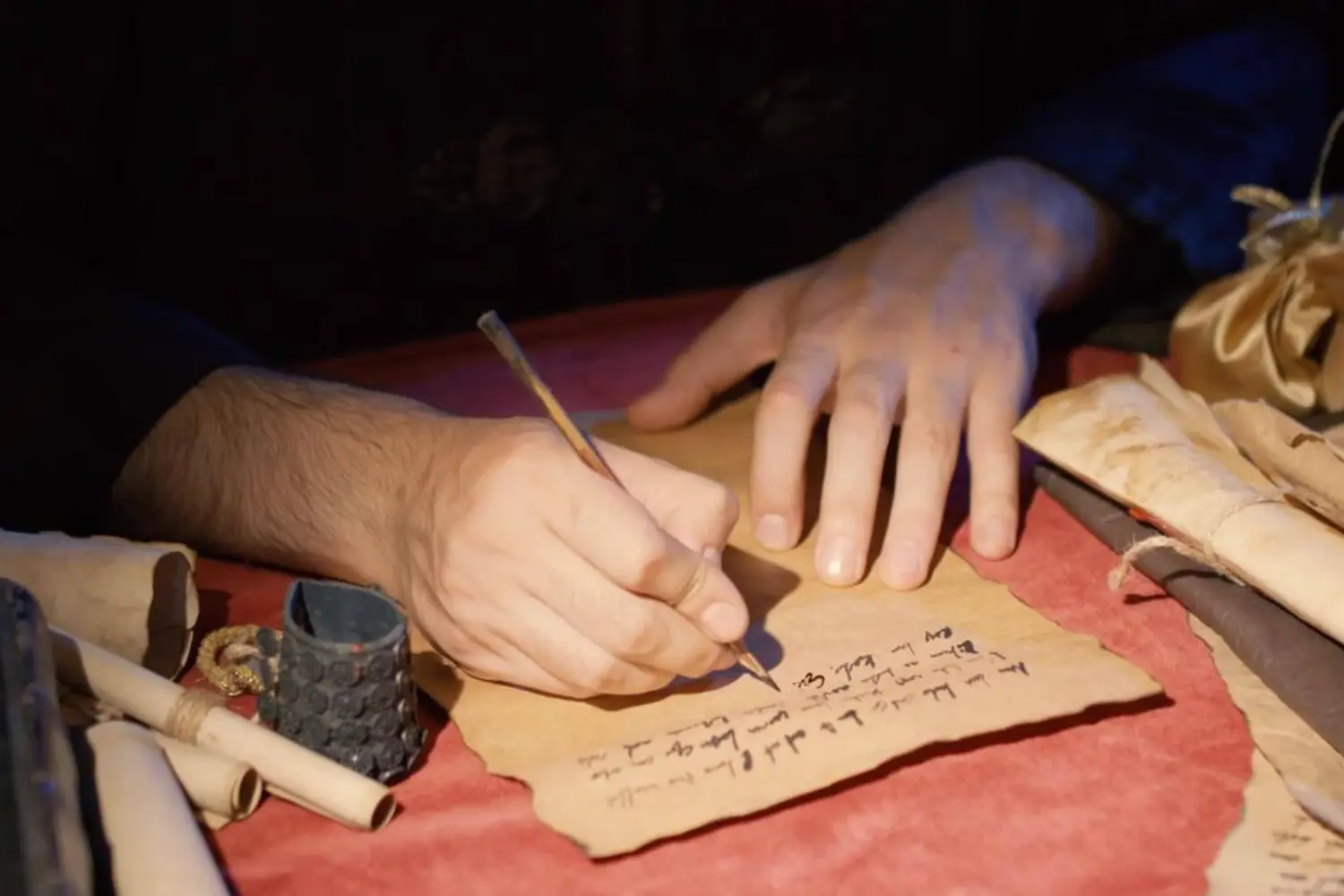
In an age dominated by instant messaging and fleeting digital exchanges, the handwritten letter occupies a uniquely cherished space. To receive a letter is to hold a physical token of someone’s time and thought, an object that has travelled through the postal system and carries the unmistakable mark of the sender’s hand. The slow, deliberate nature of letter writing invites a depth of reflection that is rarely found in a text message or an email. When we sit down with a sheet of good-quality paper and a pen, we are compelled to gather our thoughts, to articulate them with care and to consider the person who will eventually unfold the page. This intentionality transforms a simple act of communication into a meaningful ritual.
Advertisement
The materials chosen for correspondence add another layer of pleasure. Heavy, cotton-based writing paper with a subtle texture, a fountain pen that glides smoothly across the surface and a pot of ink in a favourite shade—these are not mere accessories but essential elements of the experience. British stationers, from historic brands to independent shops, continue to offer a range of beautiful writing papers, often watermarked and made to withstand decades without yellowing. The selection of a stamp can also be a small but satisfying decision, particularly when commemorative issues featuring landscapes, wildlife or works of art are available. These details transform the writing desk into a quiet studio where something personal and lasting is created.
What should one write about in a letter? The answer lies in the texture of everyday life. Descriptions of a recent walk, a book that stirred strong feelings, a garden beginning to bloom or simply the quality of light on a particular afternoon—these small, specific observations weave a rich tapestry that the recipient can see and feel. Unlike the polished, curated content of social media, a letter can contain imperfections, asides and unresolved thoughts. It need not be witty or profound; it only needs to be genuine. Over time, an exchange of letters builds a shared chronicle, a record of friendship or family bonds that endures far longer than any digital archive.